Lipi Inverse

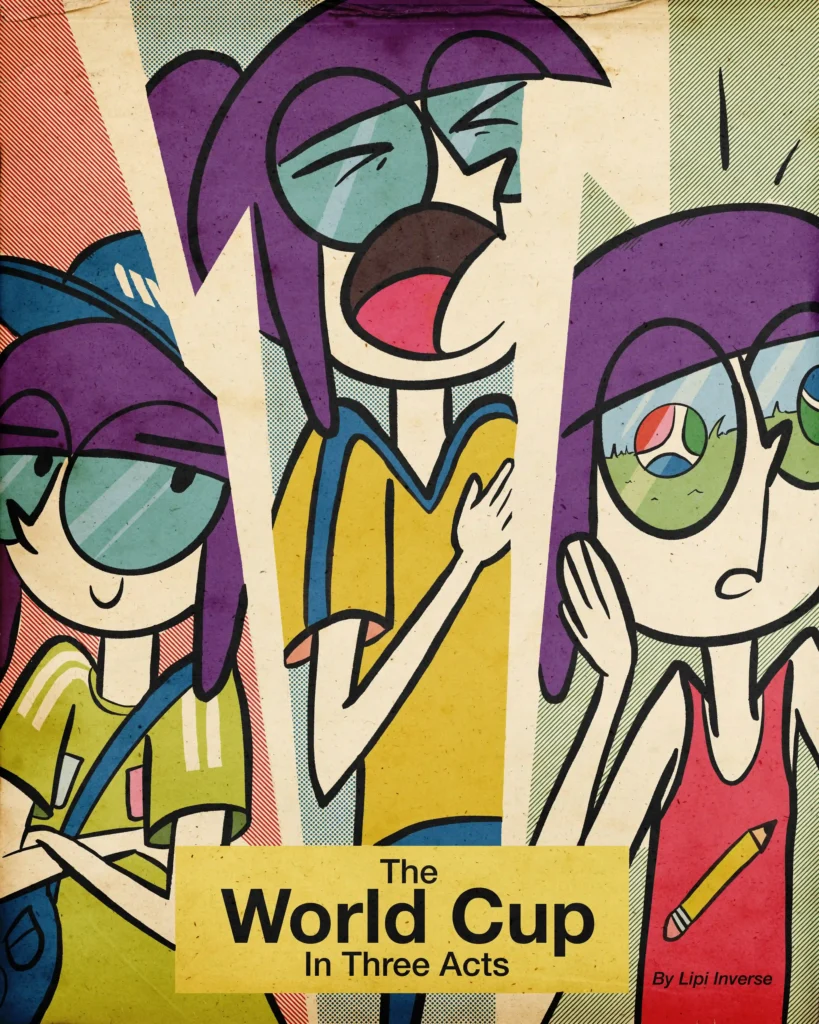
The World Cup In Three Acts

The World Cup came to an end, and with it, a chapter that I experienced from three different perspectives. First, I was a fan: a spectator who wanted to witness the magnitude of the tournament up close. Then I became a volunteer: one of the many people responsible for sustaining the experience beyond the pitch. And throughout the entire journey, I never stopped looking at it as a designer, observing the colors, brands, spaces, and small symbols that transformed a sporting event into a cultural experience.

It was not simply a month of football. It was a story about belonging, service, identity, and memory. It began with the roar of a stadium and ended in the silence of a bar in Alaska. Between those two extremes, there were uniforms, unexpected friendships, strict branding rules, a cultural sancocho, and three separate goodbyes.

Act I: The Opening Whistle

My first World Cup as a fan

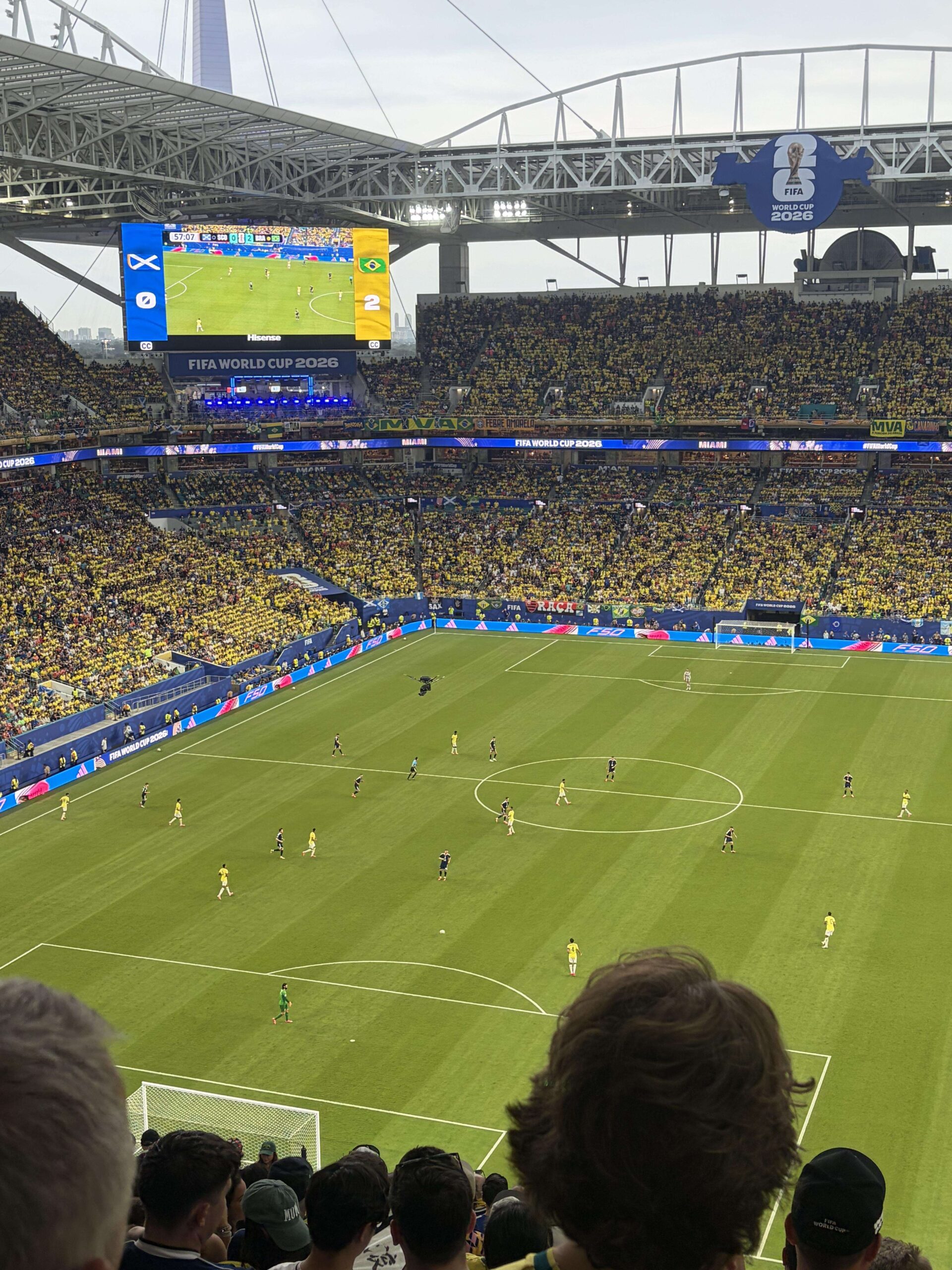
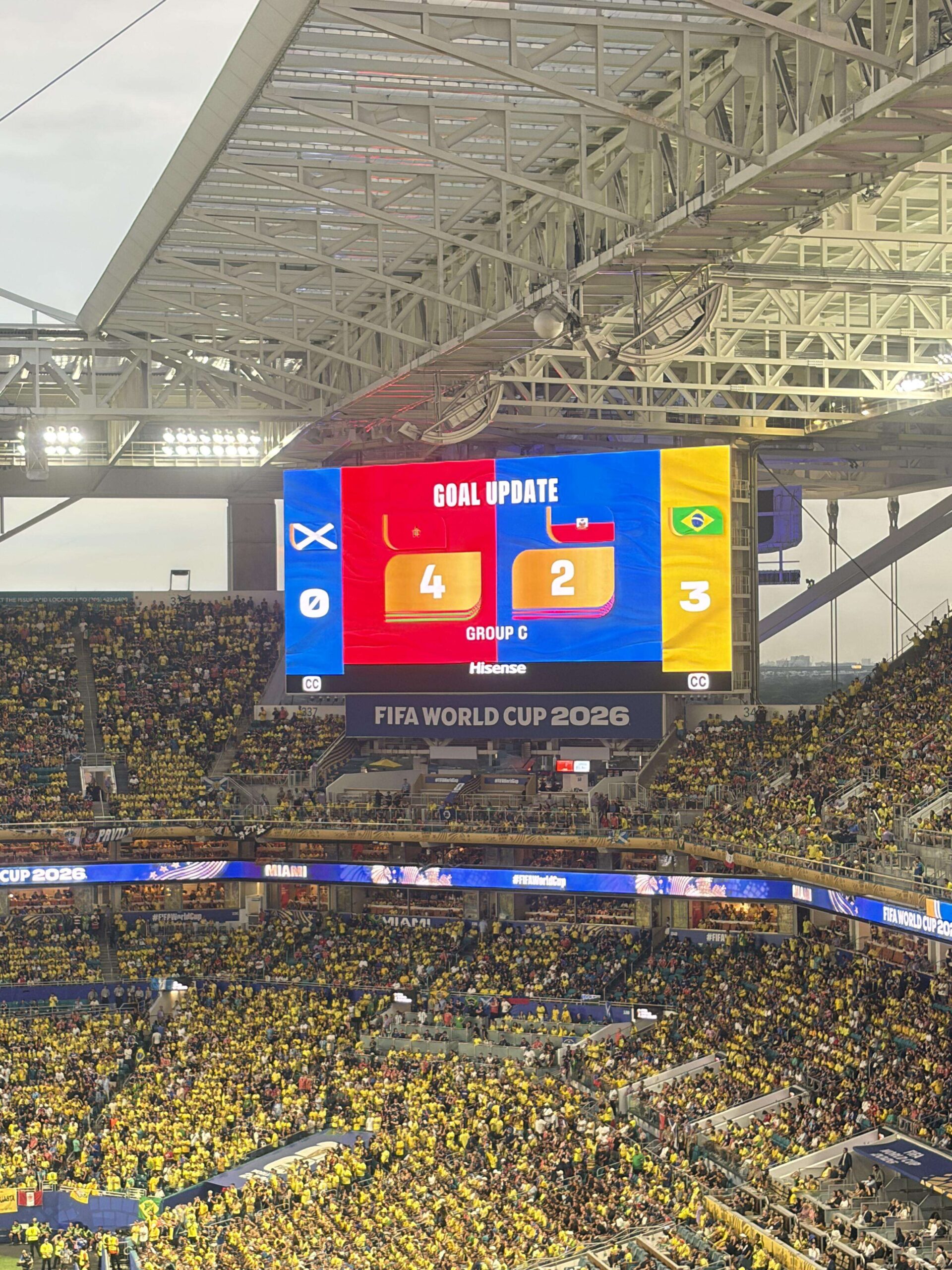
I bought tickets for Brazil vs. Scotland before the draw, without knowing which teams would eventually play. I only knew that prices would increase, although I never imagined they would become so inaccessible for so many people.

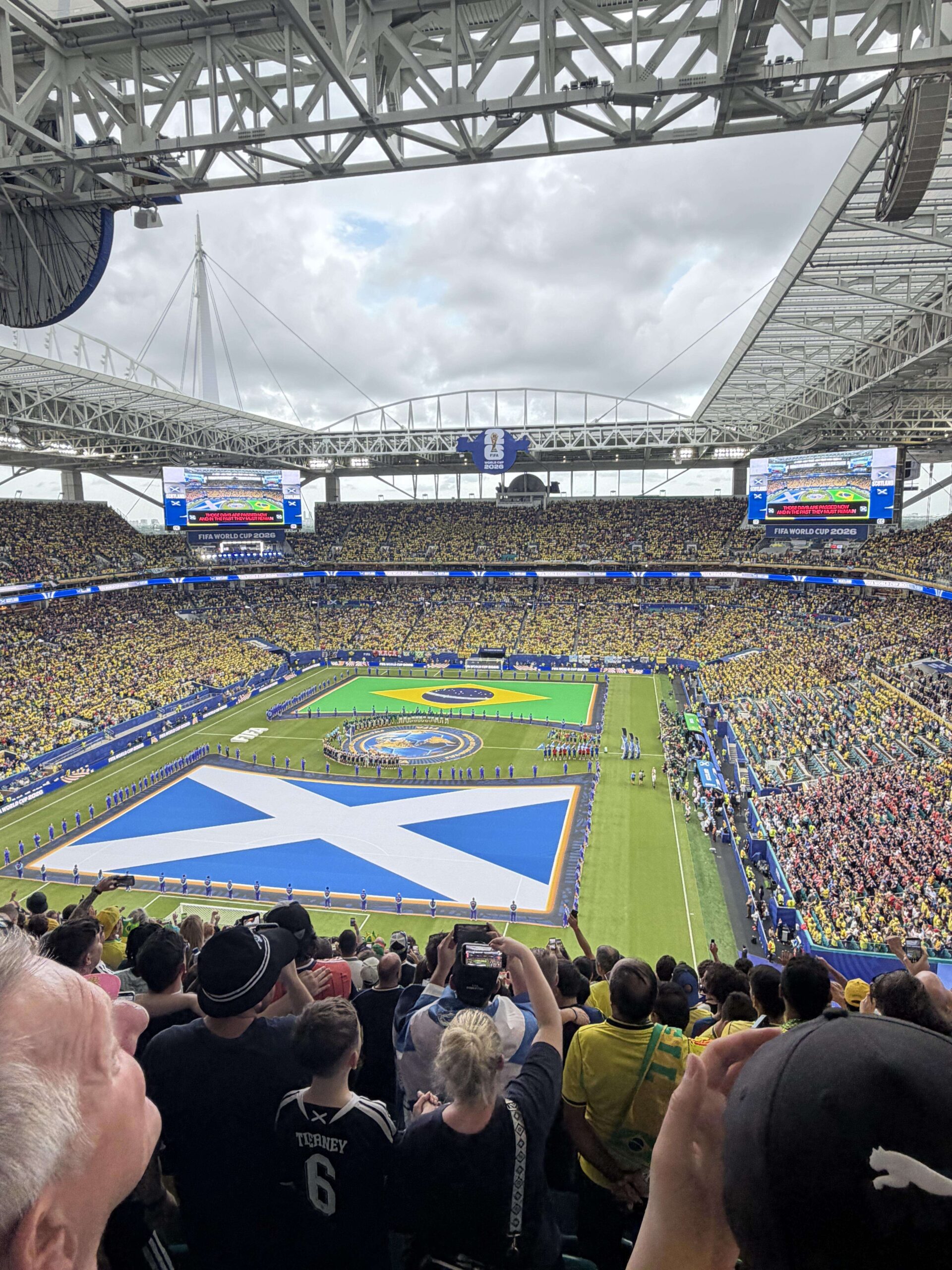
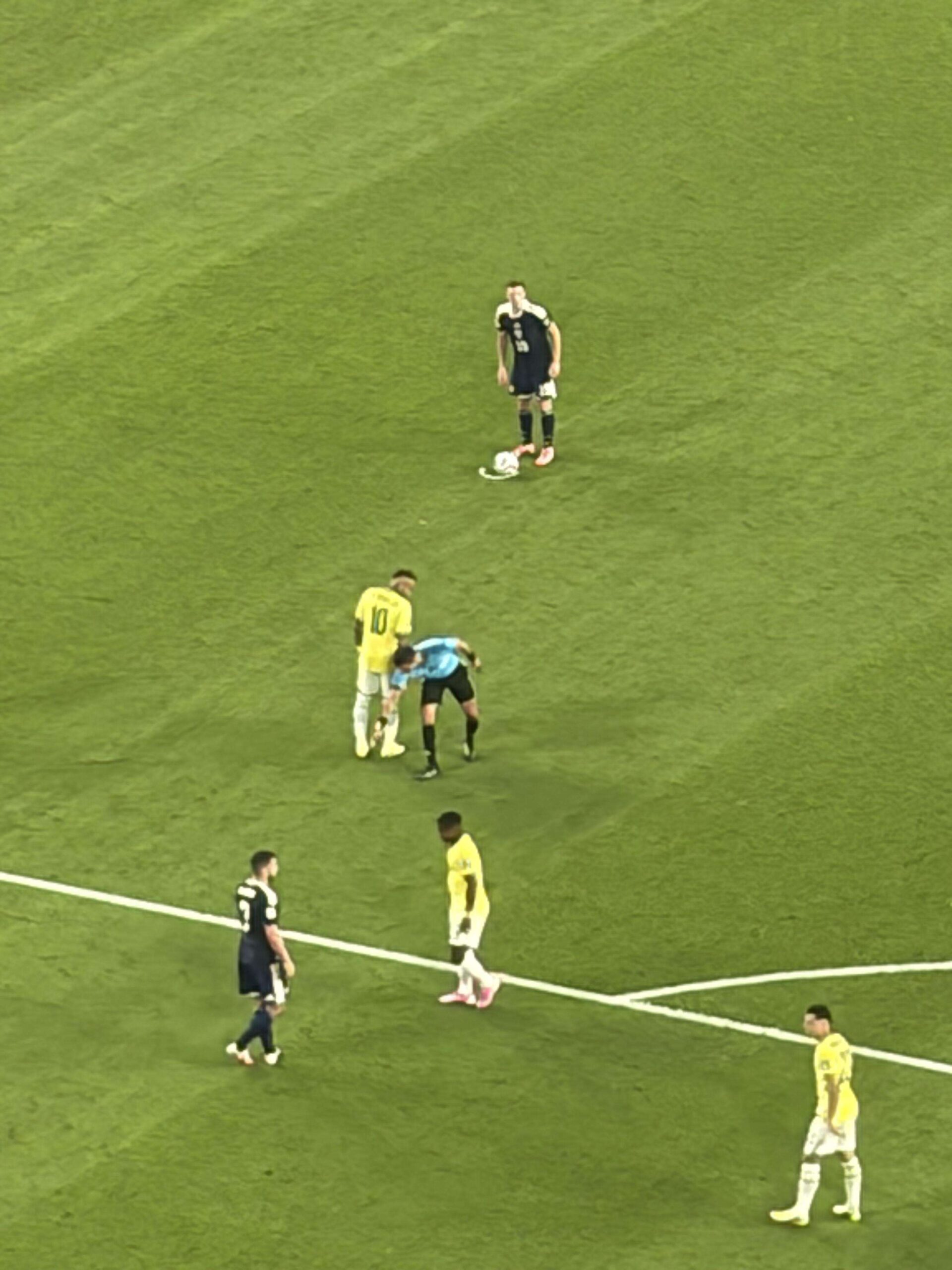
From the stands, I watched Neymar return to the pitch for his final World Cup and recognized, even from a distance, players such as Vinícius Júnior and Alisson Becker. After the match, several historic figures from Brazilian football, including Ronaldo and Roberto Carlos, appeared to sign autographs.

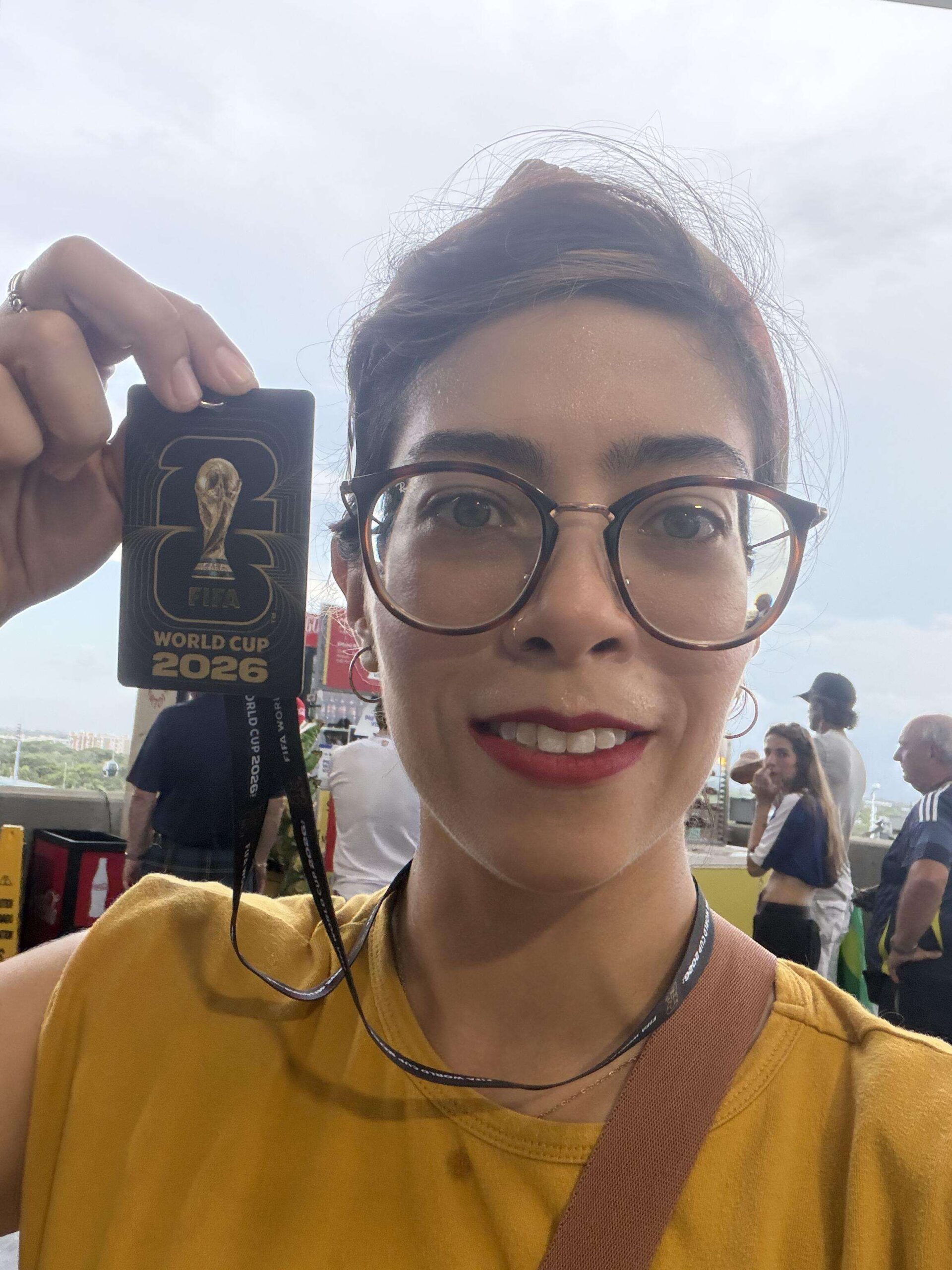
But another scene caught my attention just as much: the volunteers’ work. I watched them unfold flags in perfect coordination, guide spectators, and prepare every detail before kickoff. They wore the same uniform I would later use at the Fan Festival, except they were inside the stadium. That was when I began to understand that the World Cup experience starts long before the referee blows the first whistle.

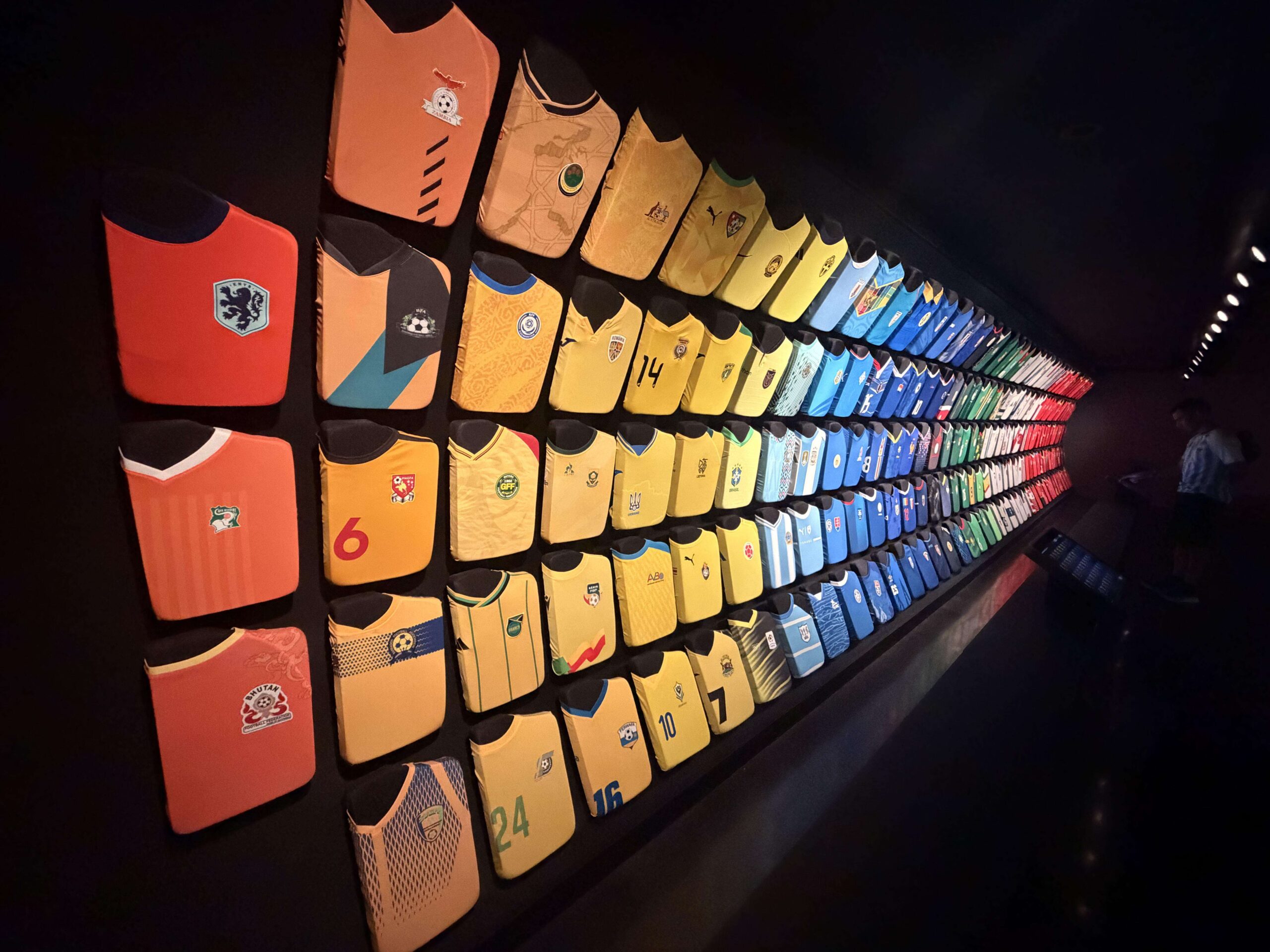
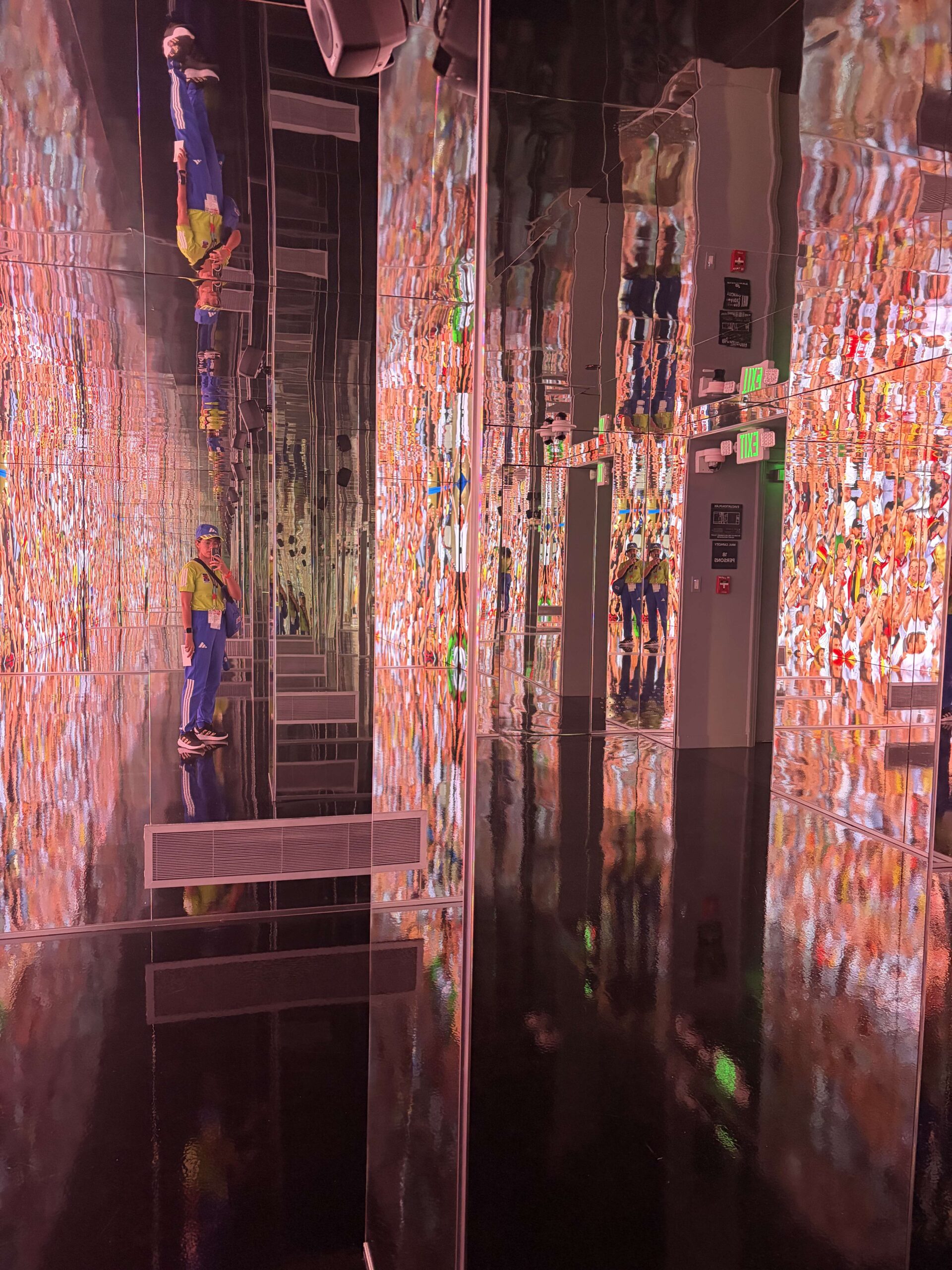
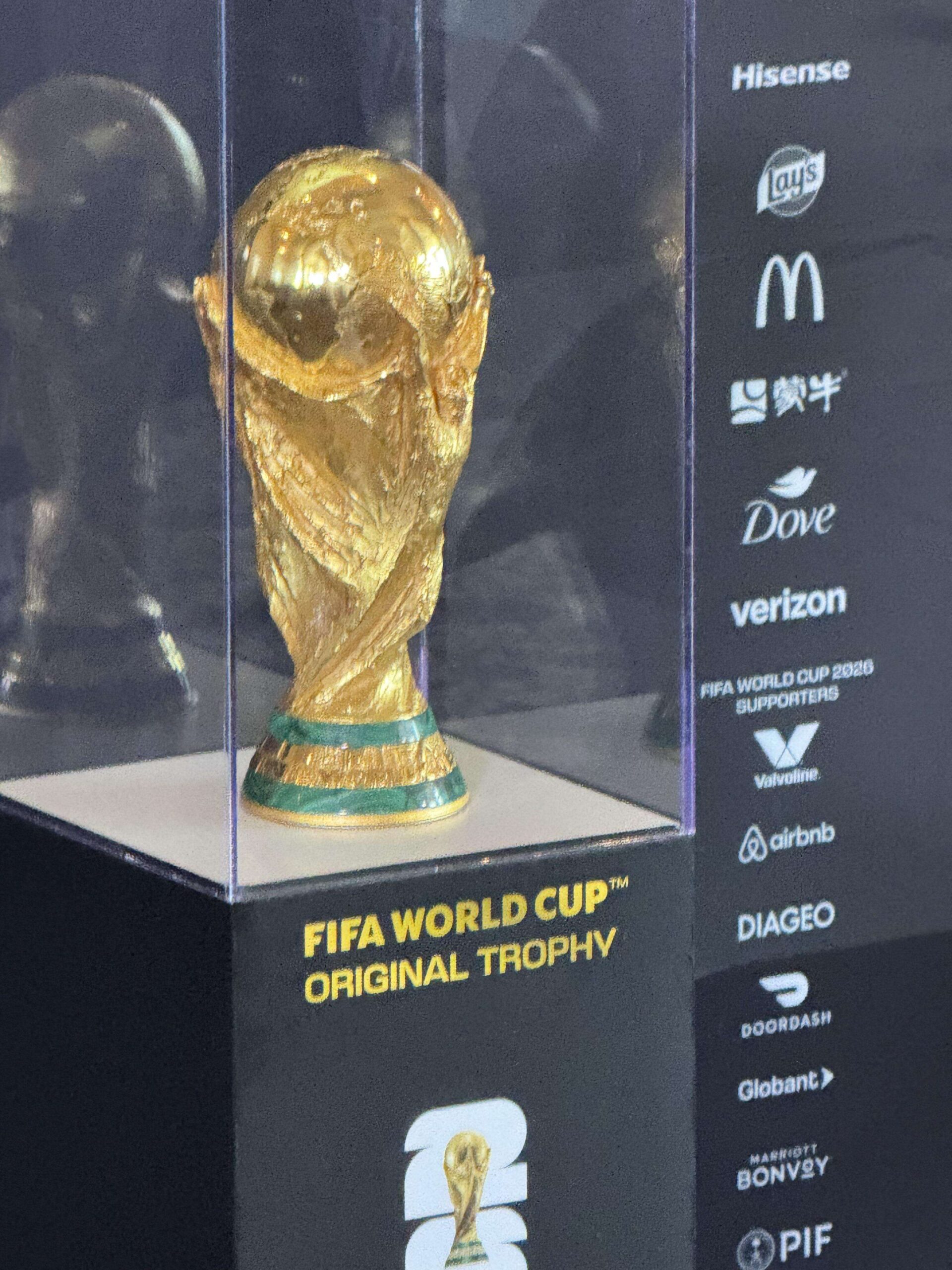
I also visited the exhibition dedicated to the history of the World Cup at Miami’s Freedom Tower. The trophy stood behind glass, protected, while visitors waited for their turn to take a photograph. The scene reminded me of people gathering around the Mona Lisa in the Louvre Museum in Paris. Only in Miami, the most admired object was not a painting but a trophy.

That visit completed my experience as a fan. Before beginning my volunteer role, I had already seen the World Cup from the stands, through its historical memory, and from the perspective of someone still observing the spectacle from the outside.

Act II: Where the World Cup Met the City

My experience as a volunteer

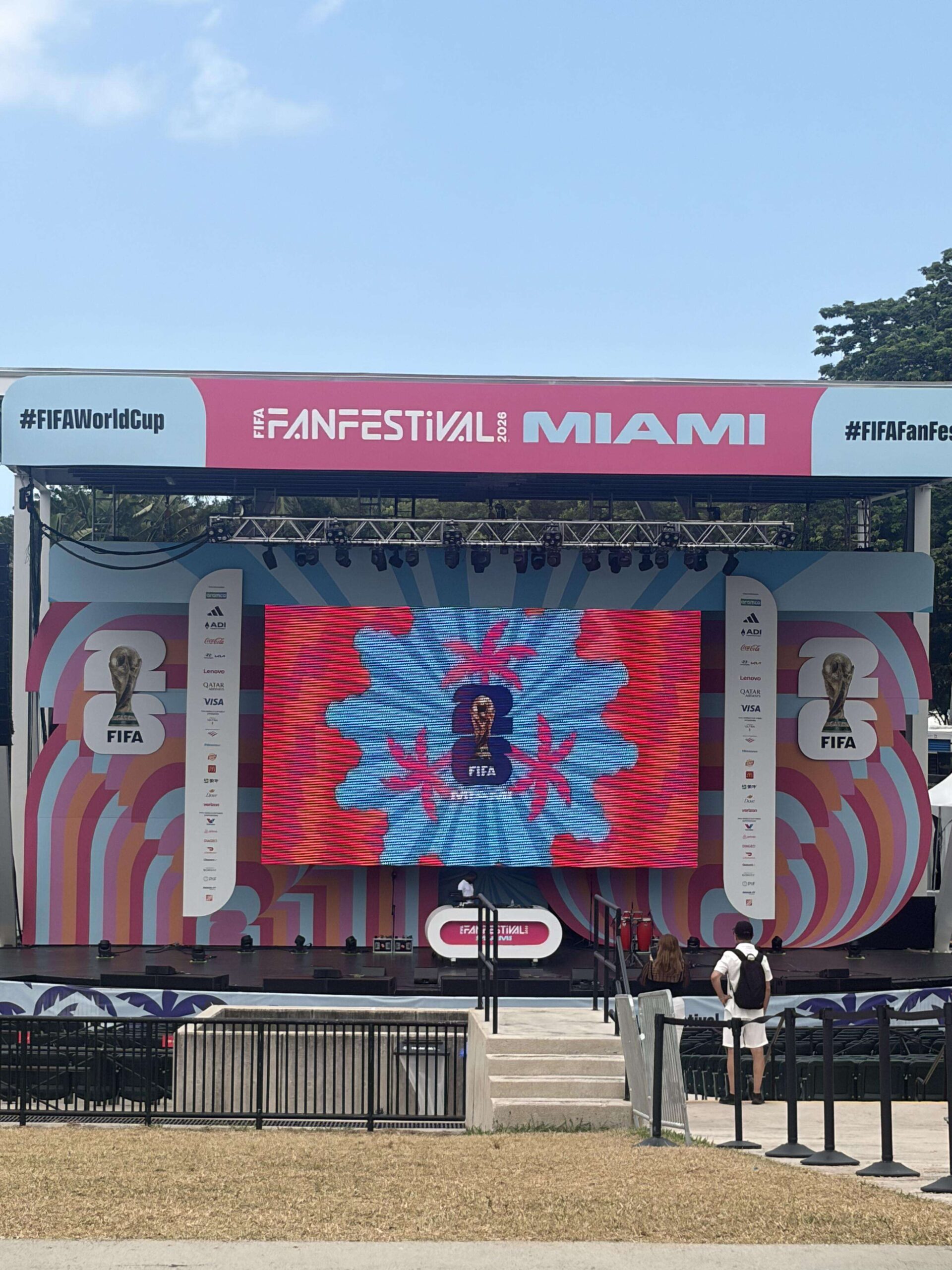
It all began in January, when I attended the volunteer tryouts. Several months passed without any news, and eventually I accepted that the opportunity probably would not happen. Then, in May, I received an offer to join the FIFA Fan Festival at Bayfront Park.

My first reaction was disappointment. I had wanted to volunteer inside a stadium. Over time, however, I realized that the Fan Festival was not a secondary version of the World Cup. It was the place where the tournament met the city: an open space for those without match tickets, for people who wanted to celebrate together, and for anyone looking to feel part of the event.

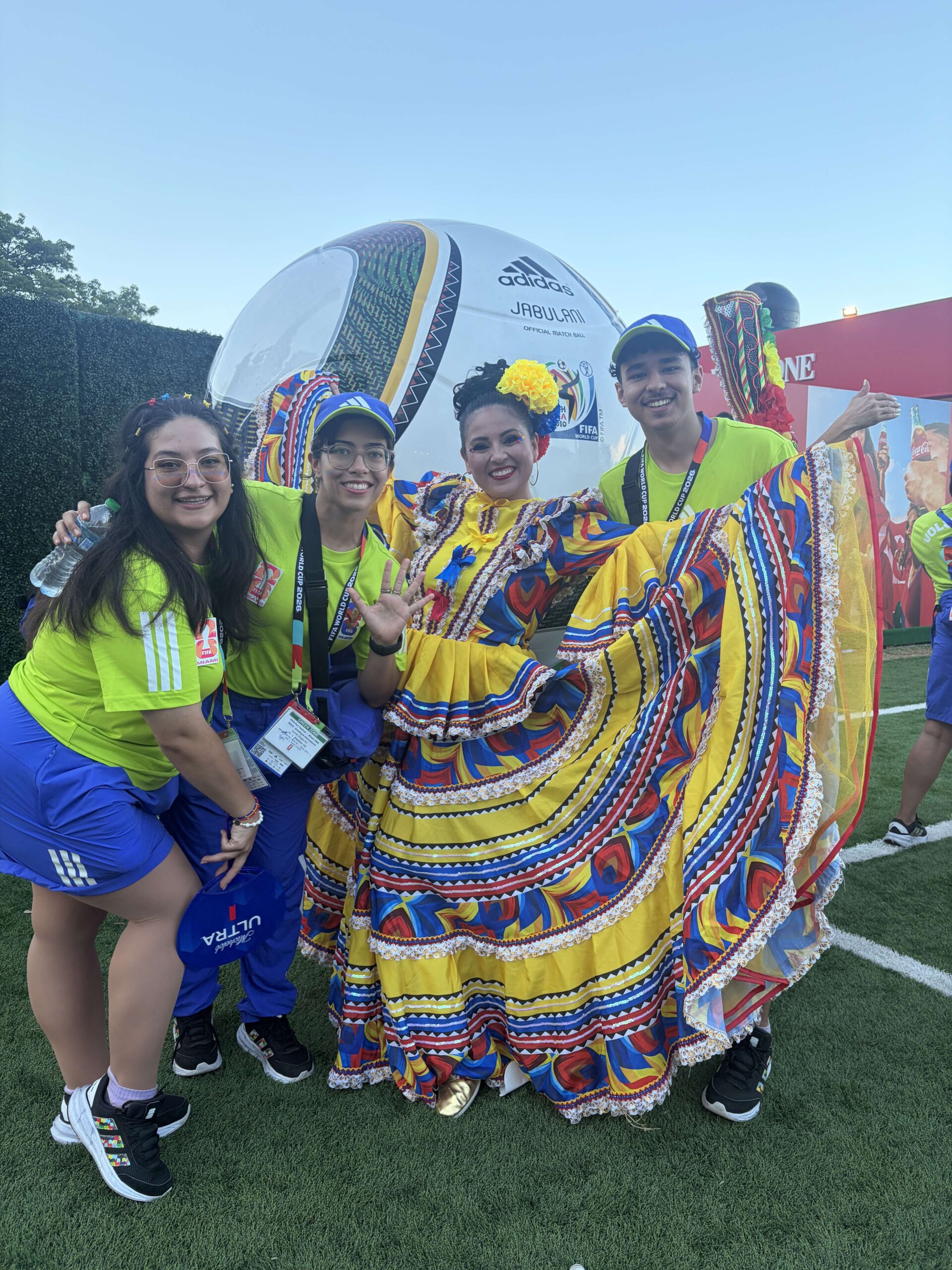
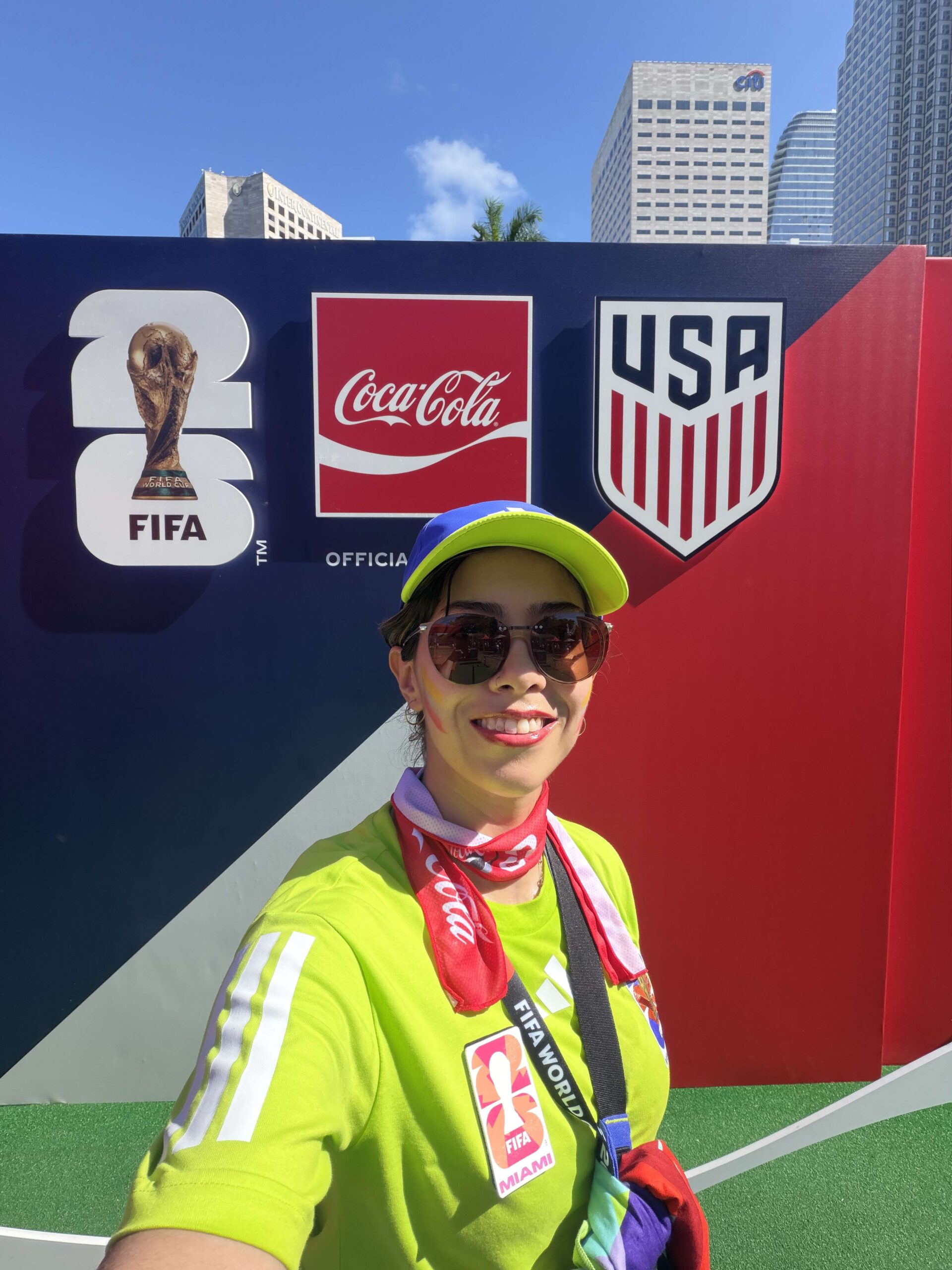
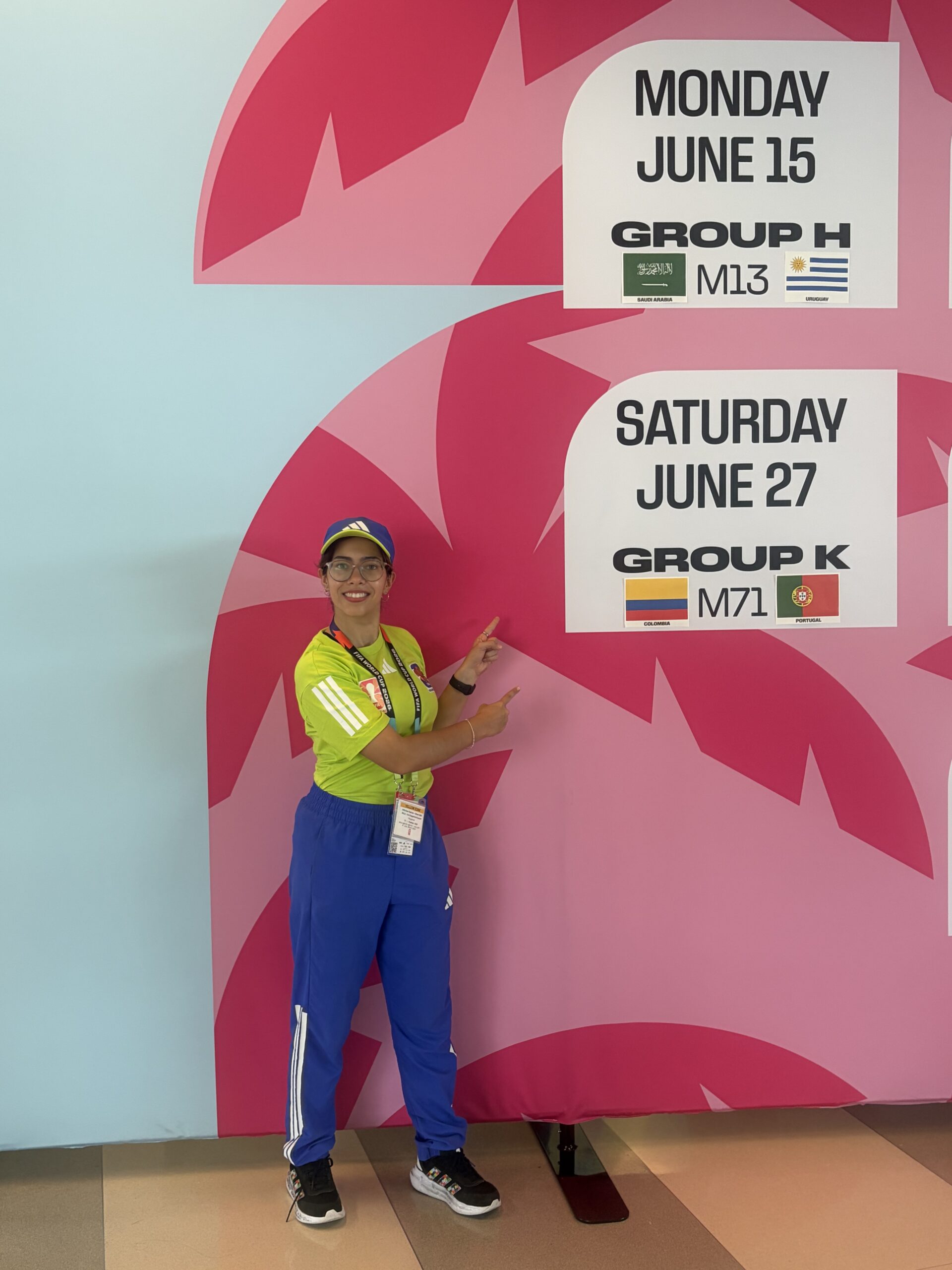
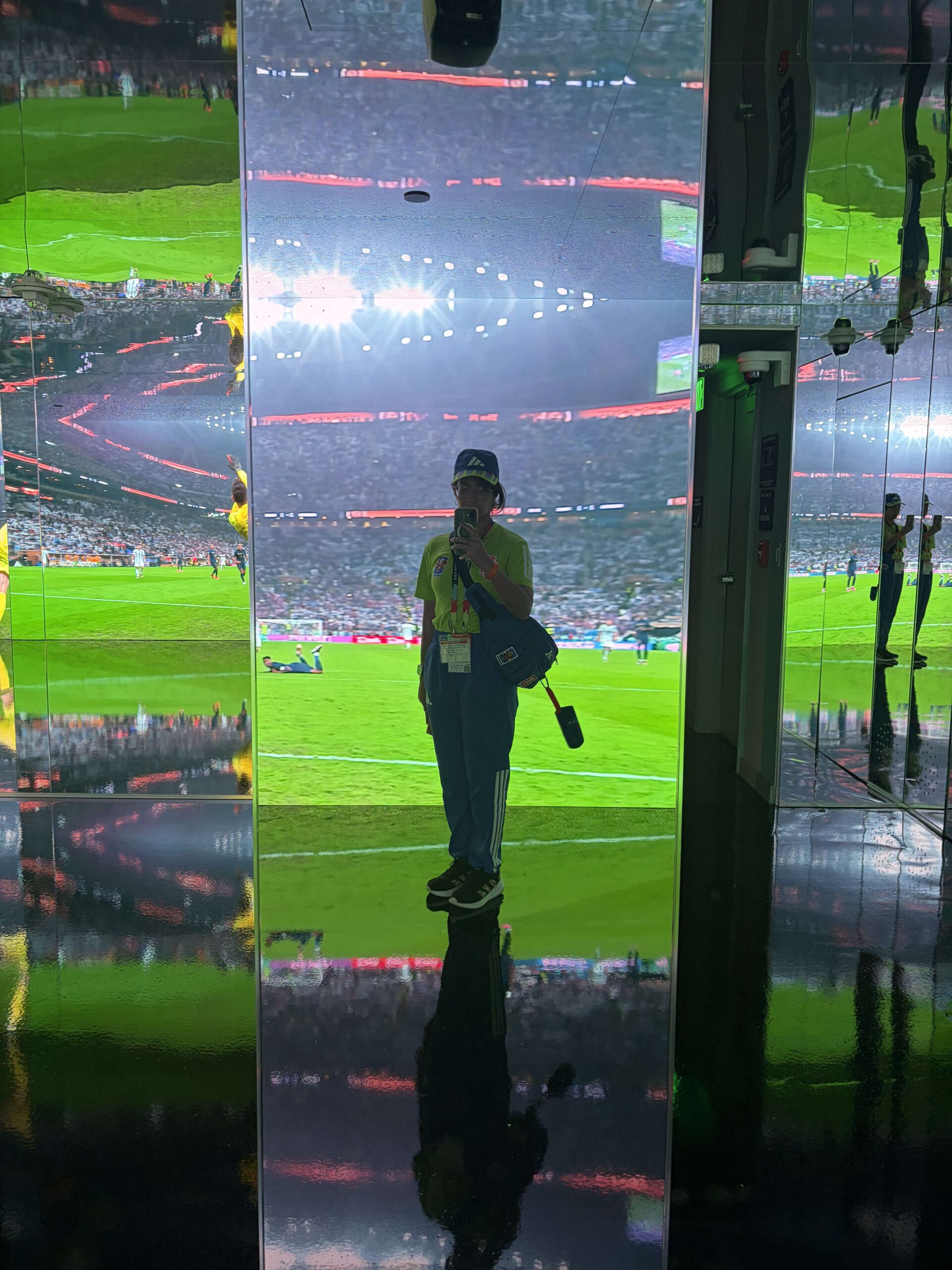
From the moment I left home wearing the uniform, people recognized me as someone who could help them. They stopped me to ask how to reach the park, the stadium, the train, or different parts of Miami. The uniform created trust before I said a single word.

As a designer, I found that especially meaningful. A piece of clothing could completely change the way the public interpreted my presence. I was no longer simply another visitor. I had become a human point of reference within the city. At an event of this scale, a simple answer can prevent someone from missing a match, a reservation, or an experience they may never have again.

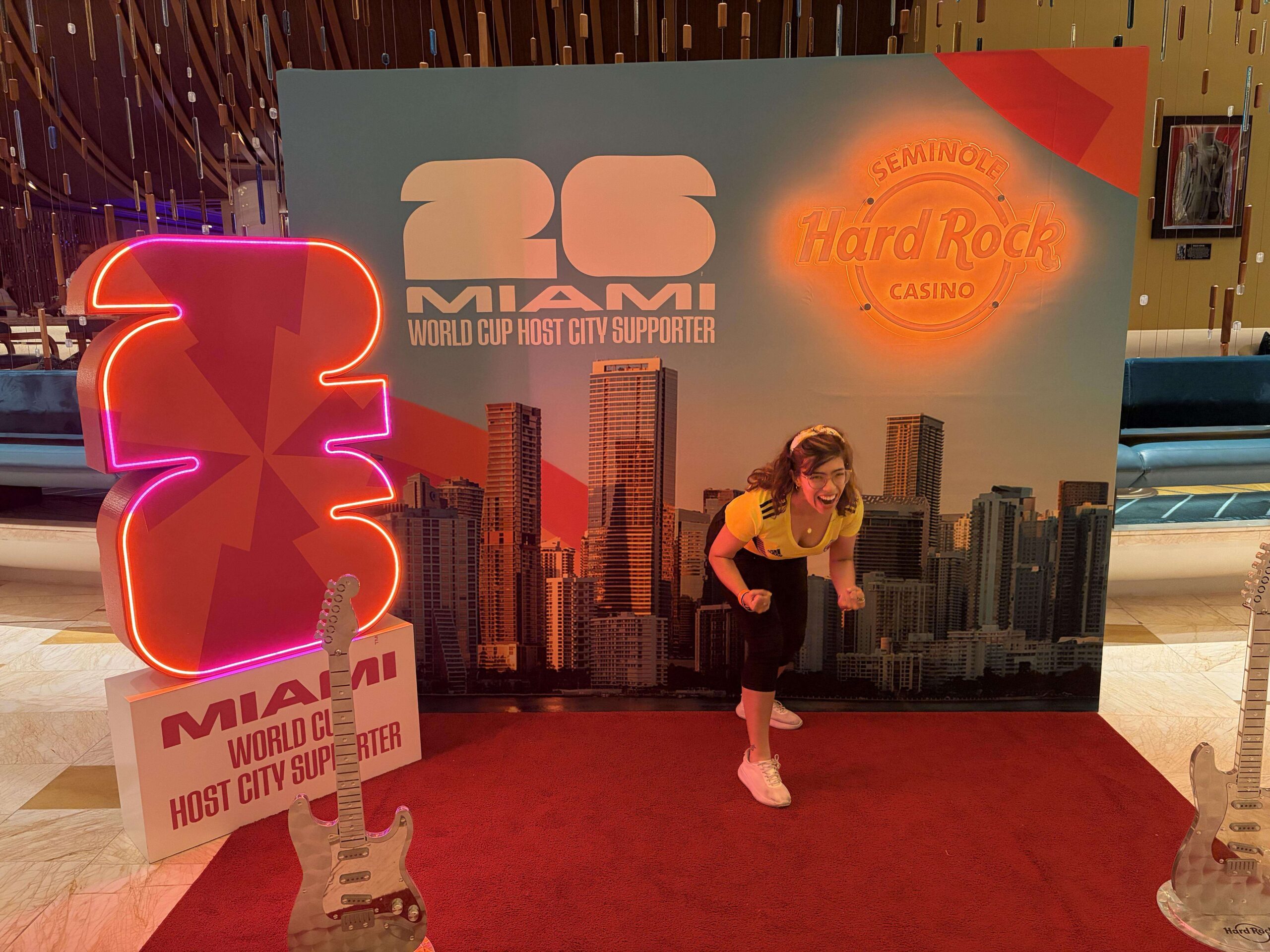
Our role was to guide visitors, answer questions, support activities, and help thousands of people move through the festival safely and comfortably. Hospitality was also part of the spectacle. During my shifts, I also began to notice how carefully the World Cup’s visual identity was controlled. The uniforms, sponsorships, permitted products, and even the labels on water bottles followed specific rules. Brand consistency did not stop at giant advertisements. It reached the smallest details.

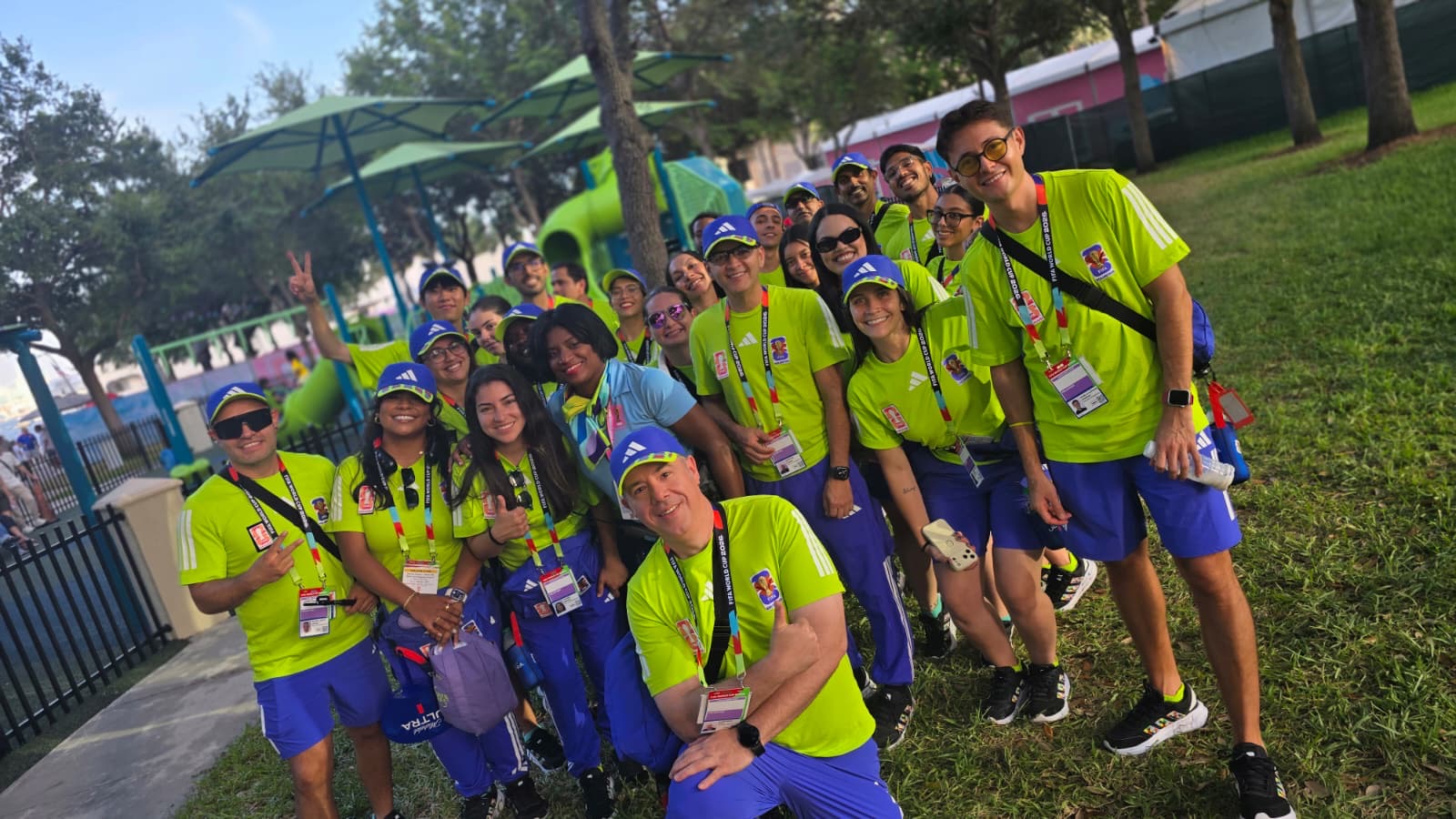
I also learned that helping people sometimes means recognizing the limits of your role. On one occasion, I witnessed a confrontation after a match, and the police had to intervene. In that moment, assisting meant stepping aside and allowing the authorities to do their job. The experience would also have been very different without the leads who managed each shift. In the middle of Miami’s intense heat, they became guides, points of support, and the people responsible for keeping the volunteer operation organized. Because of them, we were able to represent the Fan Festival with both professionalism and warmth.
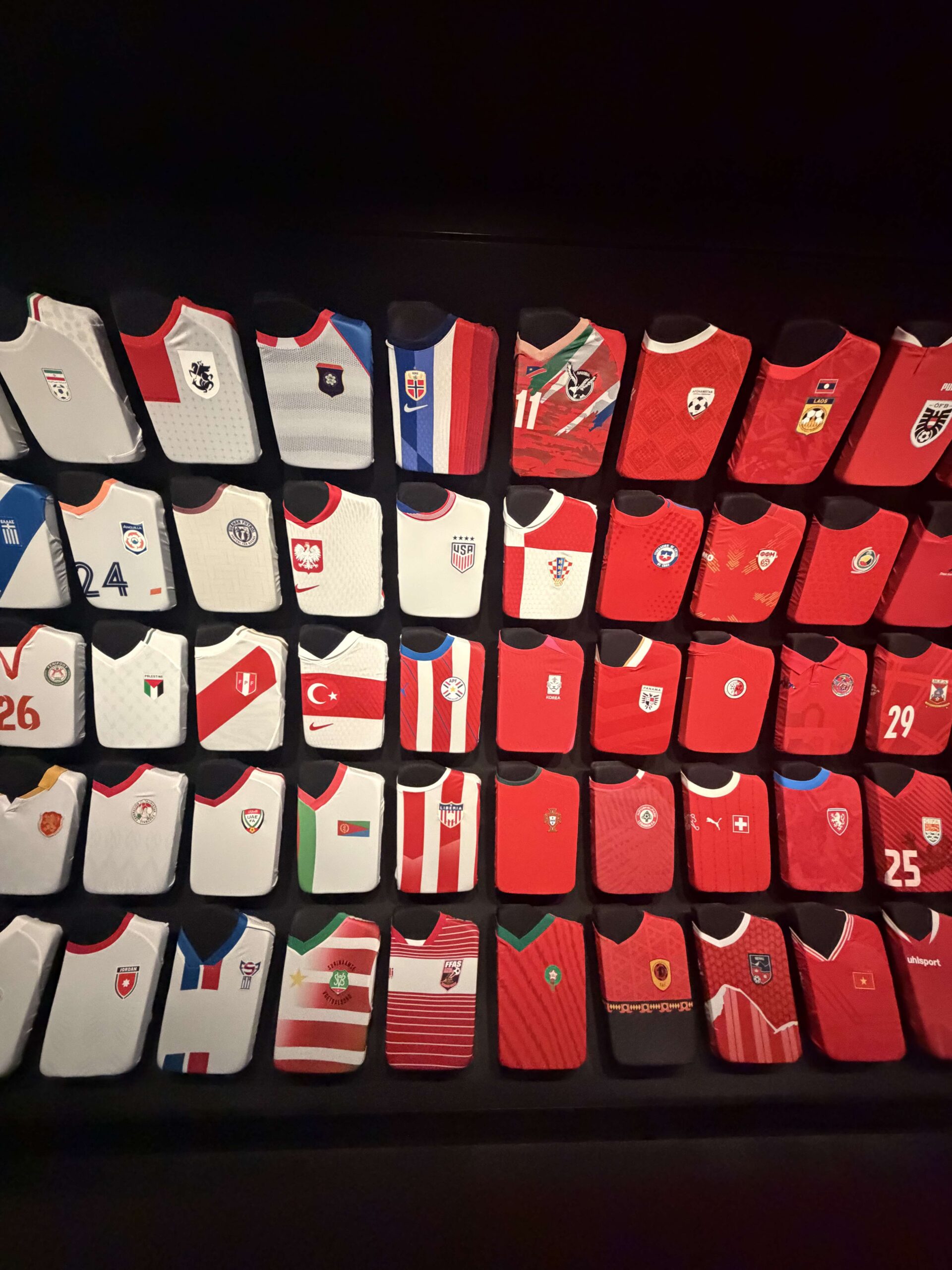
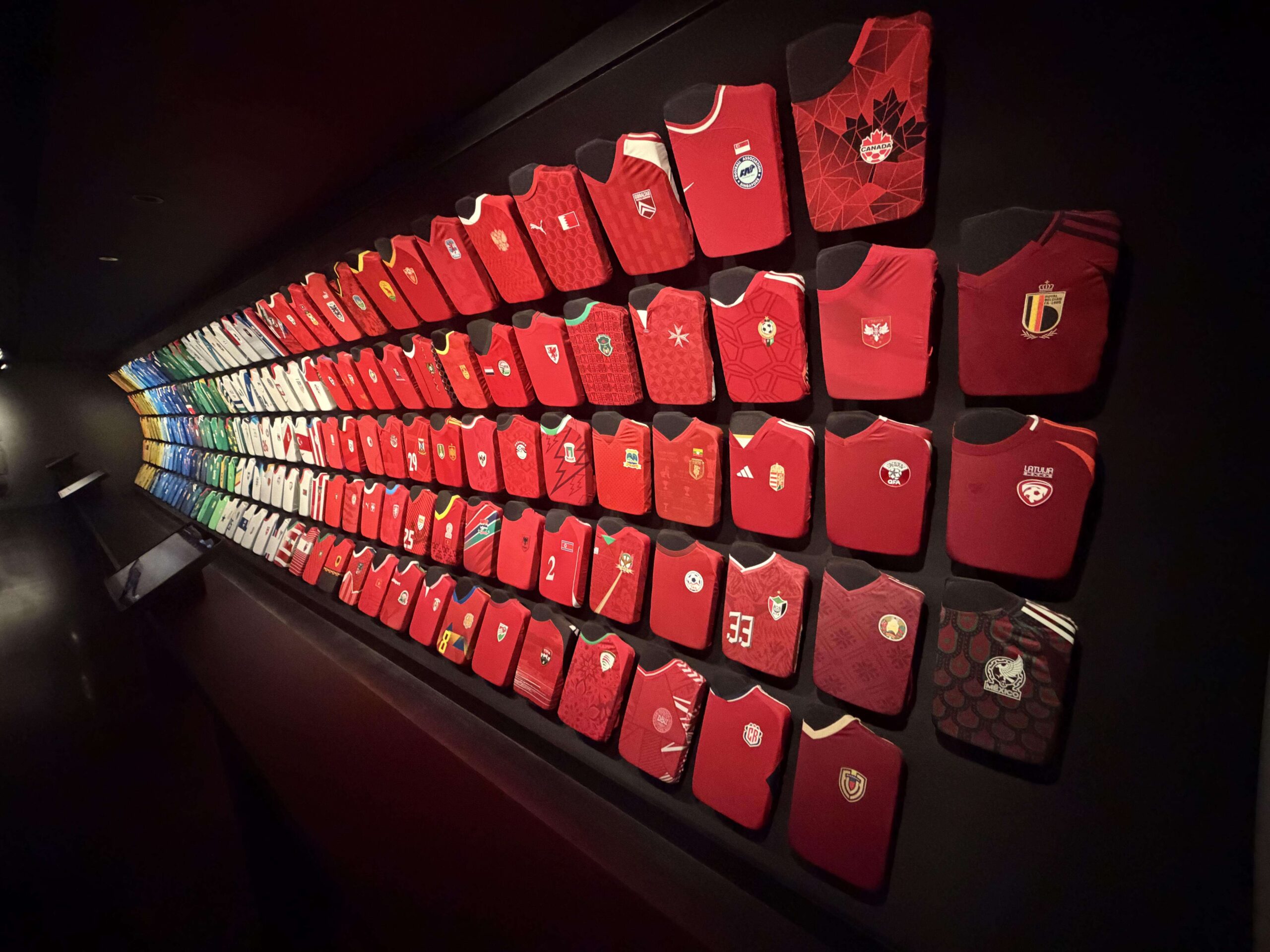
Act III: The World Cup in Technicolor

Observing the Tournament as a Designer

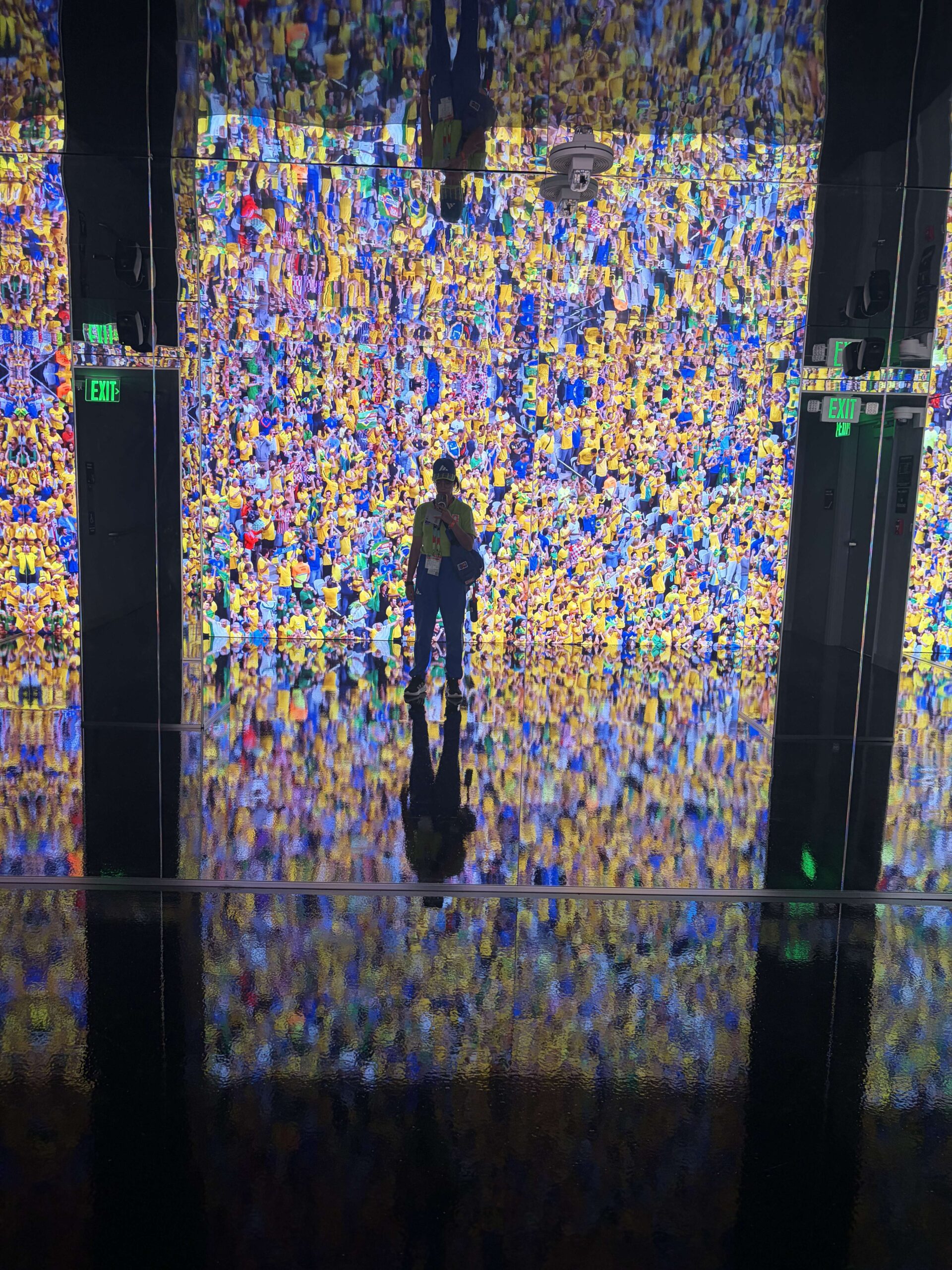
The Fan Festival felt like a cultural sancochoFor those unfamiliar with the word, sancocho is a Colombian dish in which very different ingredients come together to create something richer than any one ingredient on its own. At Bayfront Park, those ingredients were cultures, languages, jerseys, traditions, and ways of celebrating. Thousands of people shared the same space, but each brought a different energy into it.

The performances and dances were inspired by the teams playing each day. They reminded me of cultural events at school in Colombia, where each group represented a country through music, clothing, and movement. To me, every national team became a character. Each one had its own rhythm, personality, and visual language.

The space itself also told a story.

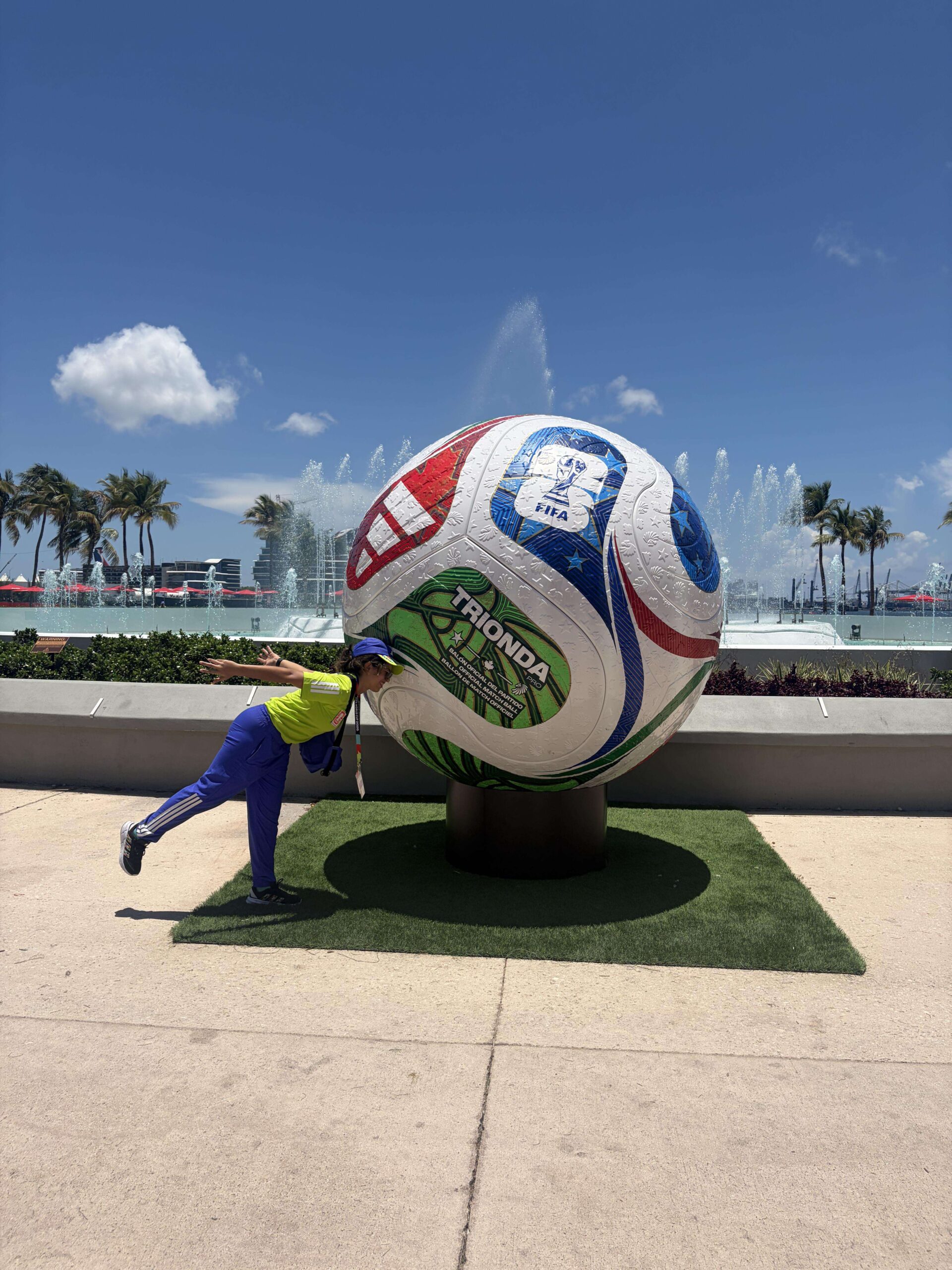
The path toward the fountain was lined with representations of footballs used in previous World Cups. The route worked like a visual timeline, allowing visitors to understand part of the tournament’s history without relying on long explanations. It was a form of spatial storytelling. The brand activations also showed me how an ordinary object could acquire emotional value. Wristbands distributed during one of the experiences disappeared almost immediately. Their design was appealing, but not necessarily extraordinary. What mattered was what they represented. To the public, they were not simply accessories. They became souvenirs of participation, belonging, and exclusivity.

As a designer, I understood that the value of an object does not always come from its visual complexity. Sometimes it comes from the story, context, and emotion that people attach to it. The same was true of the uniforms, signs, flags, pathways, and decorative elements throughout the event. Each object contributed to the sense that visitors had entered a temporary world with its own rules, symbols, and identity.

The World Cup was not only being played. It was being staged.

Epilogue: The last dance

My first World Cup experience didn’t have one ending; it had three.

On the first one, my final shift ended abruptly as a volunteer. A storm forced the evacuation of Bayfront Park and brought the day to an early close. After weeks of heat, crowds, questions, and celebrations.

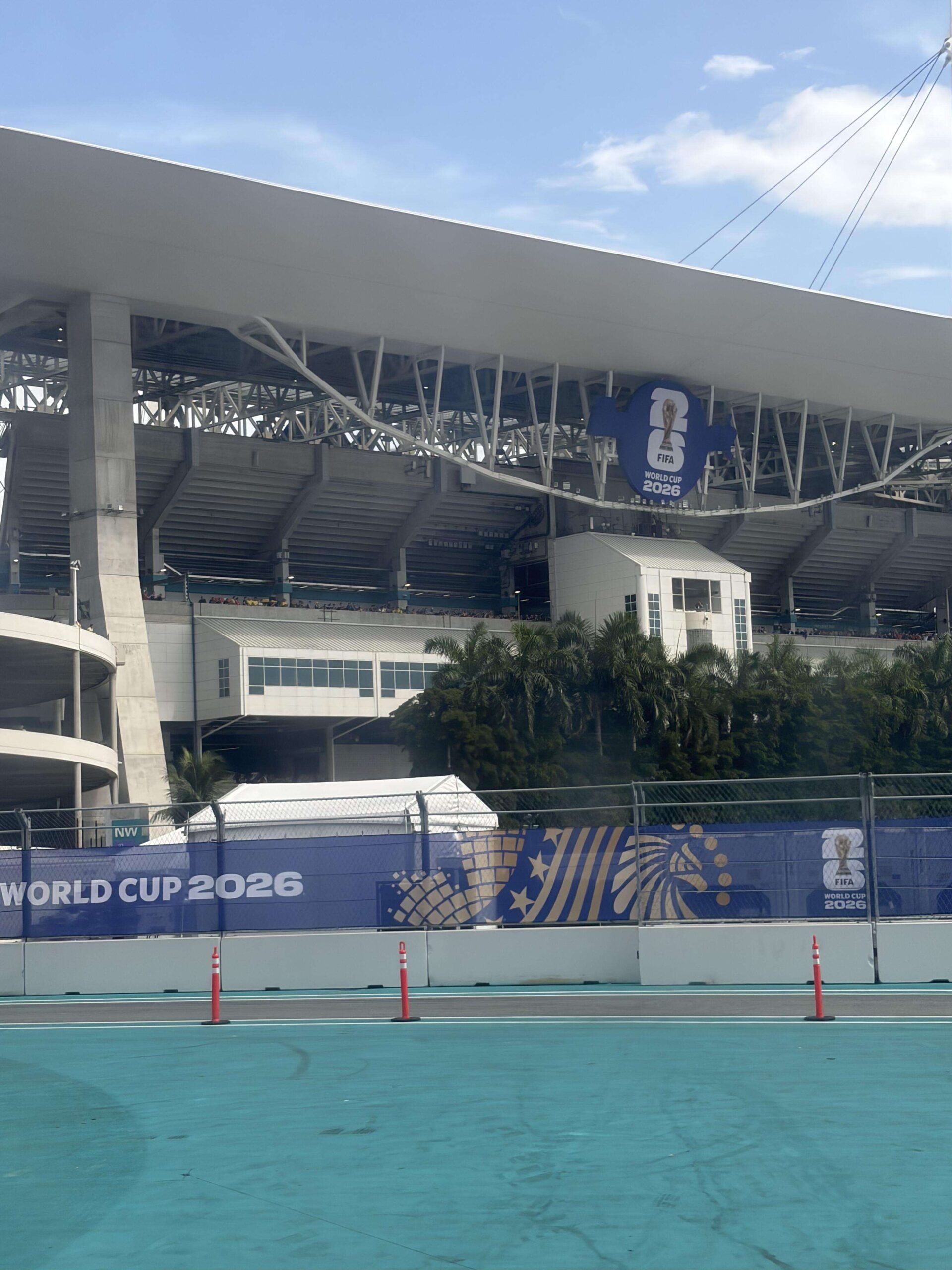
During the ride home, I passed Miami Stadium (Hard Rock) for the final time. Argentina was playing against Cabo Verde that night, but I did not see the match, the crowd, or the action inside. I only saw the stadium from the road, fully illuminated against the night sky. For a few seconds, it appeared almost like a distant stage glowing, alive, and already beyond my reach. That became the first ending: the unexpected conclusion of my experience as a volunteer: not inside a stadium, as I had originally imagined, but looking at one through a car window while another World Cup match continued under the lights.

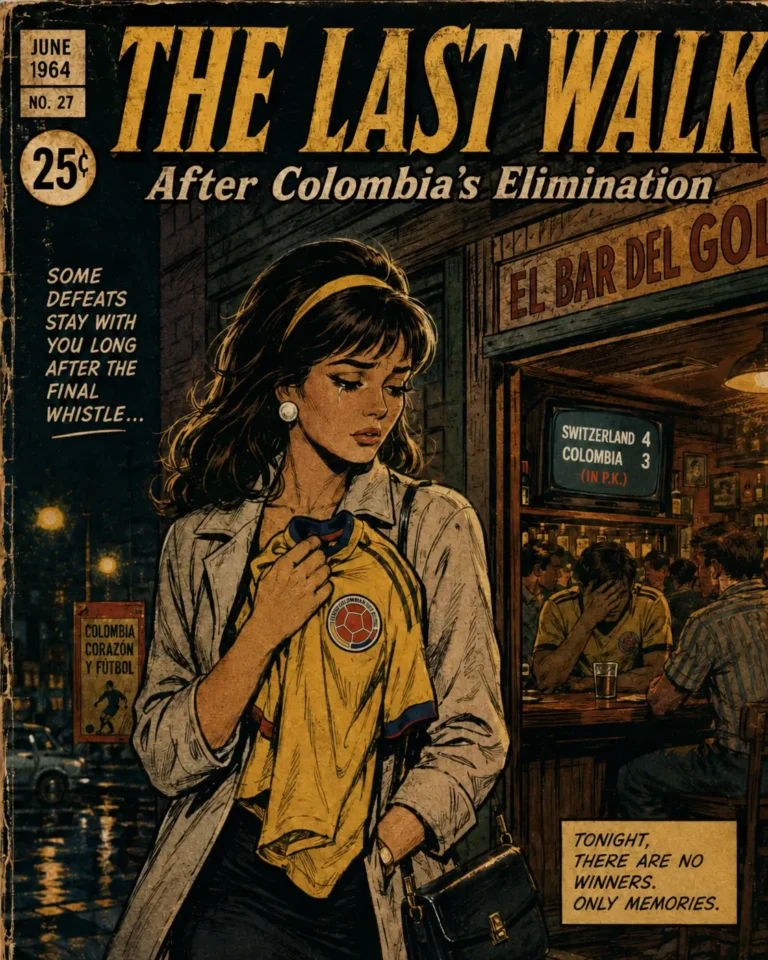
Shortly afterward, I traveled to Alaska, leaving behind the noise and intensity of Miami. The contrast was immediate. During the flight, I tried to follow a match, but I lost the signal while crossing Canada. In Anchorage, the World Cup seemed to be happening much farther away. There were fewer jerseys, fewer celebrations, and a quieter connection to the tournament. That was where I watched Colombia play against Switzerland from a bar. Only a few people appeared to be following the match with the same intensity. When Colombia was eliminated in the penalty shootout, the bar continued operating as usual. There was no crowd sharing the defeat. No chants. No collective silence. I was angry and disappointed; then I stood up, took off my Colombia shirt, and walked out.

For a moment, I believed my World Cup had ended there. Then it pulled me back in.

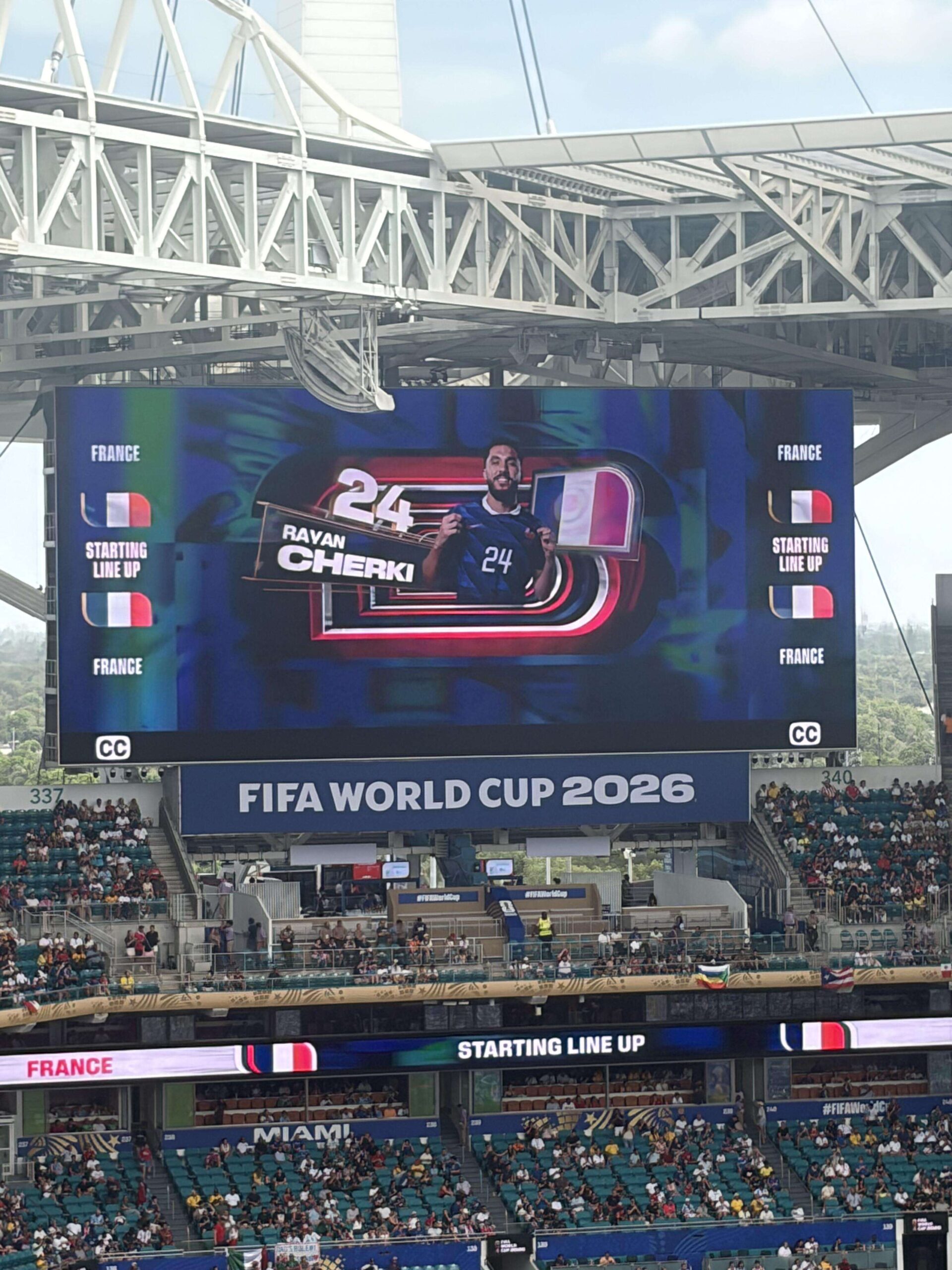
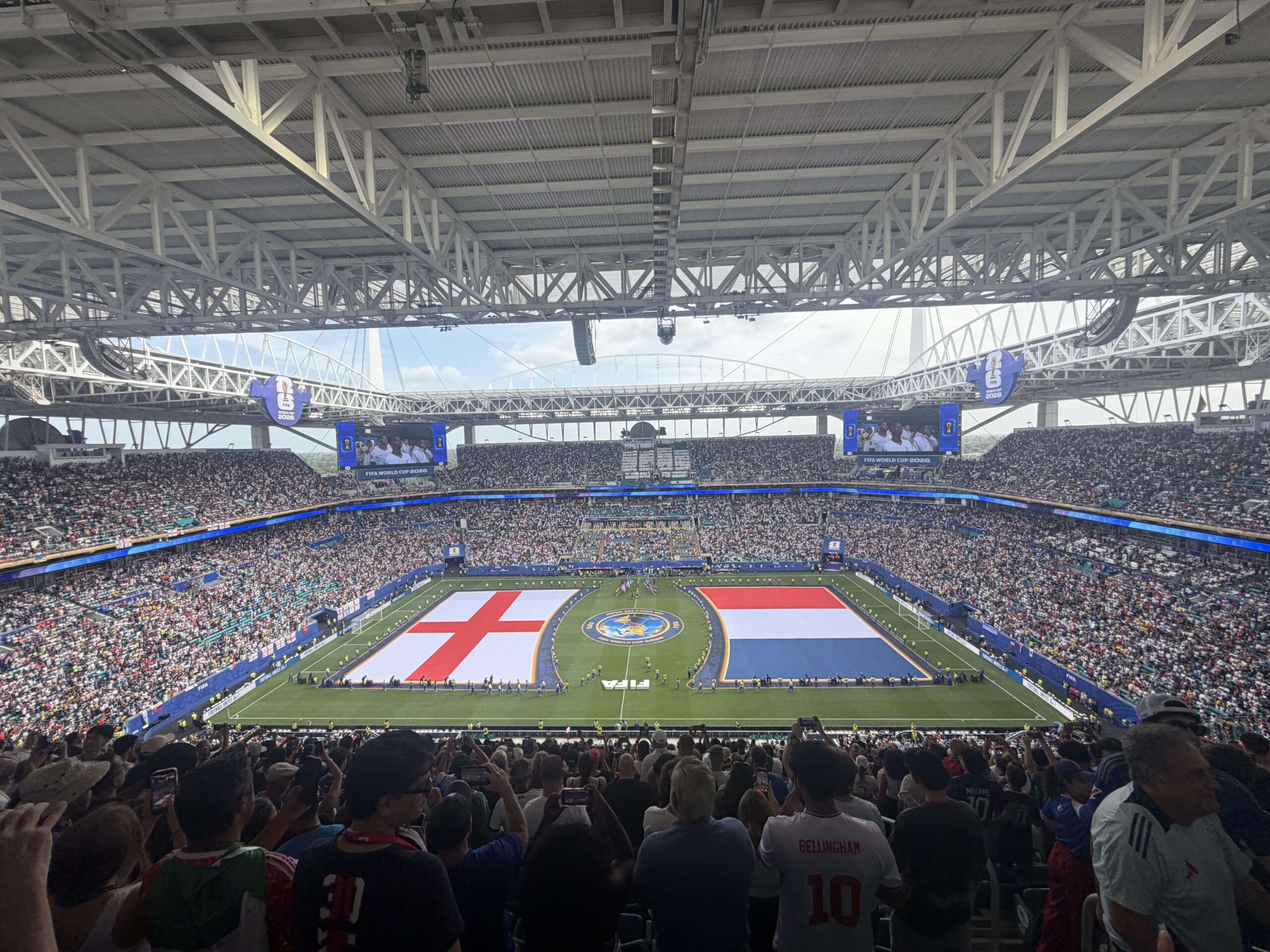
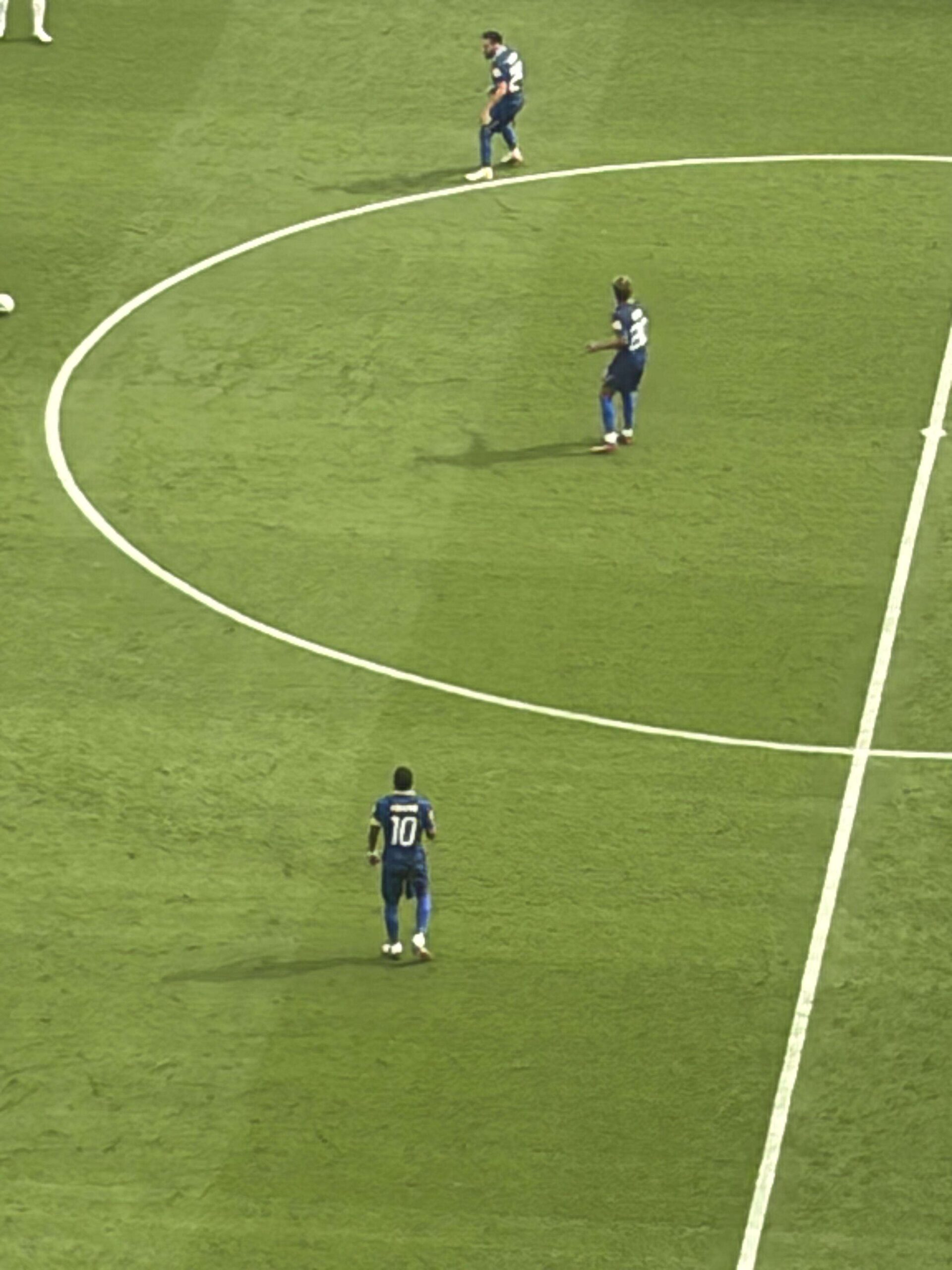
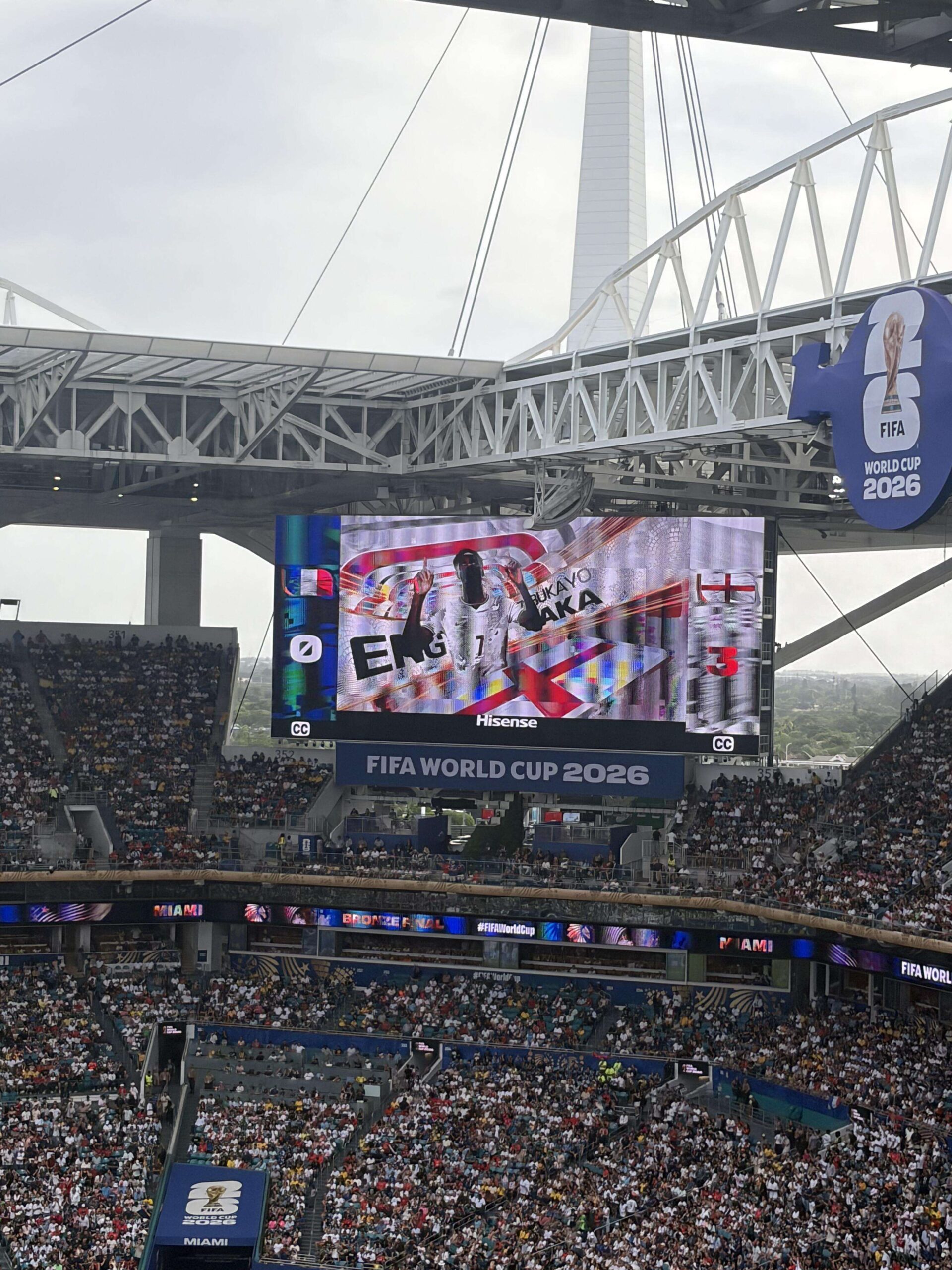
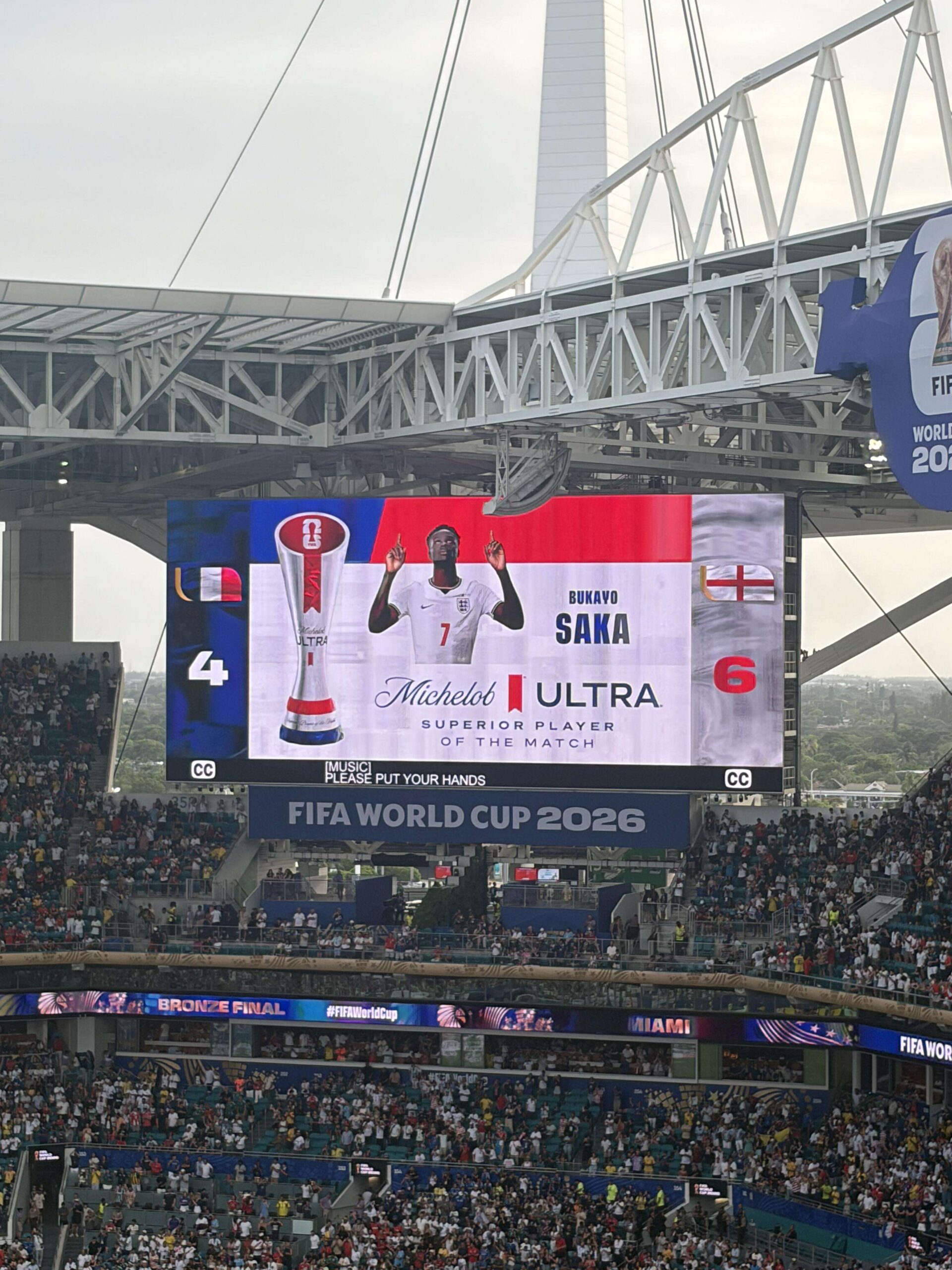
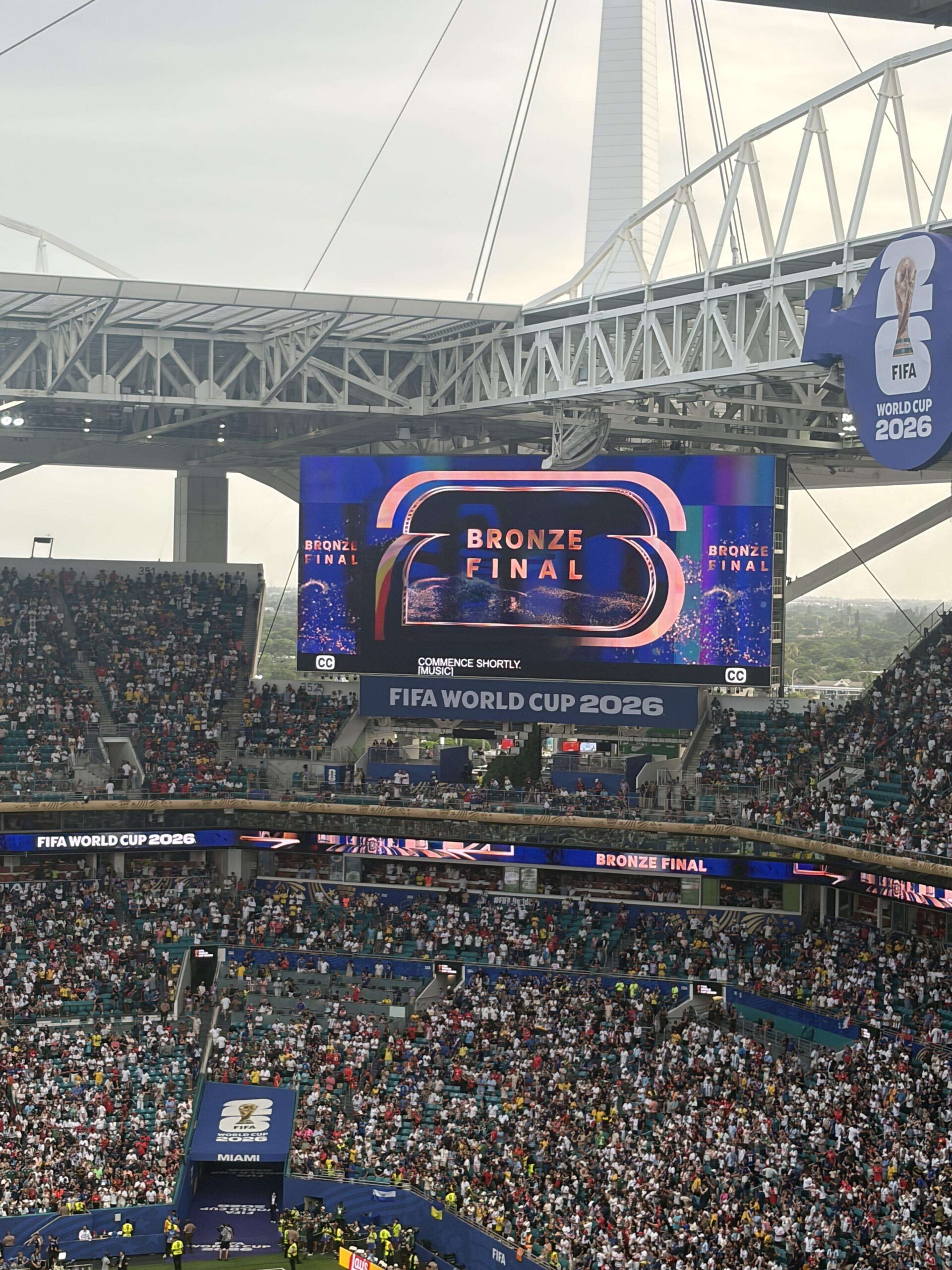
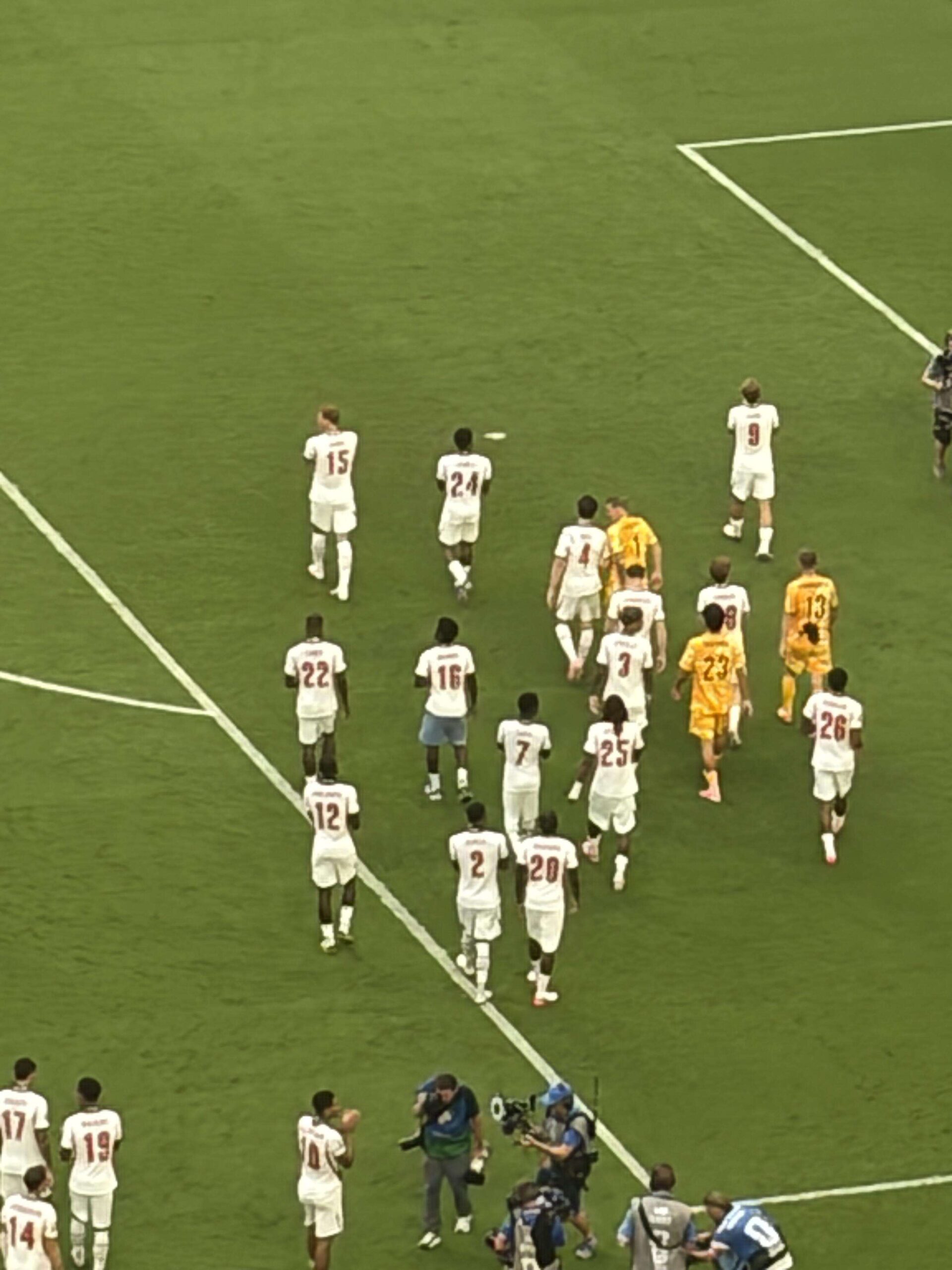
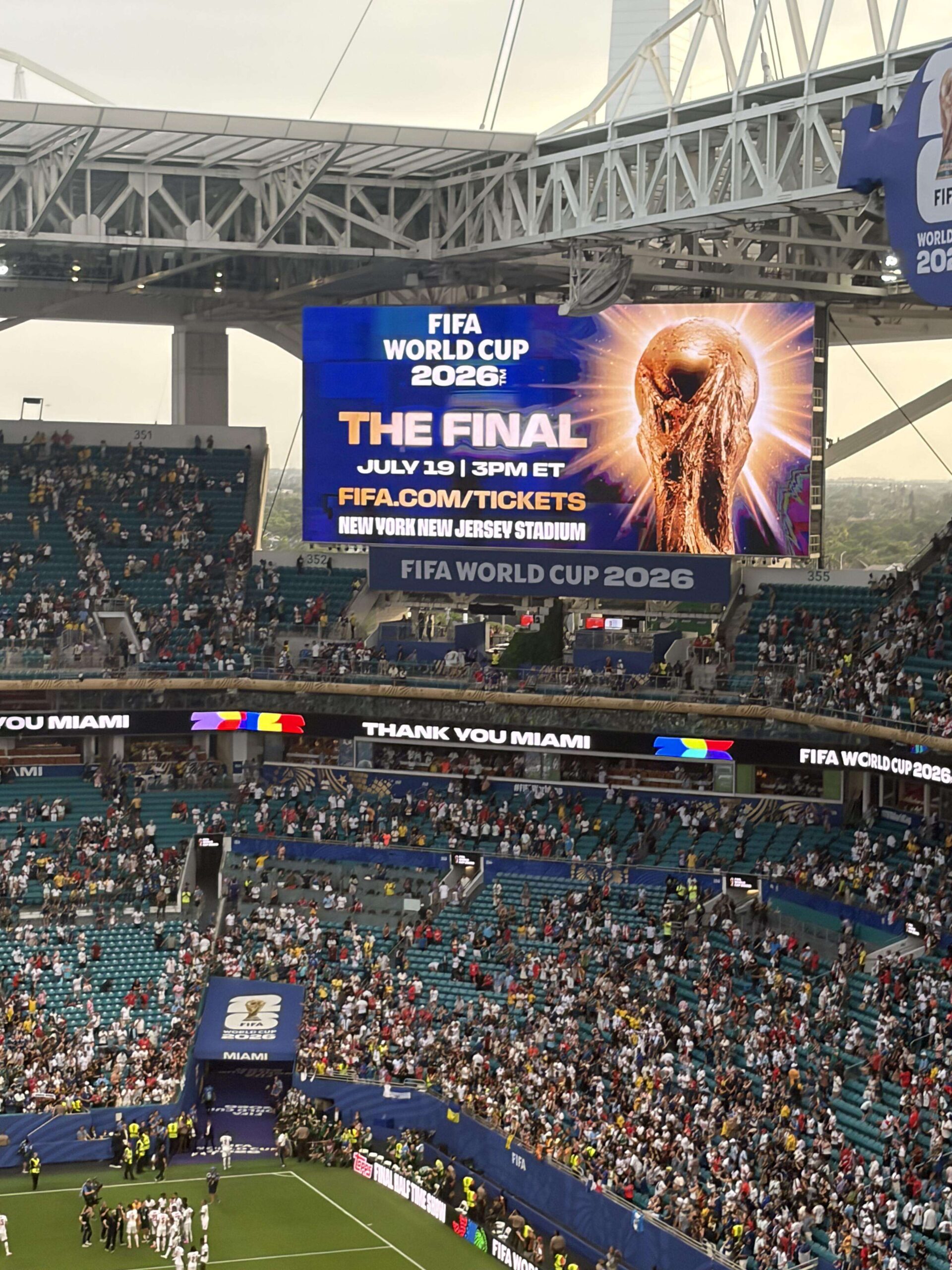
I attended the third-place match between England vs France at Hard Rock Stadium. I had expected very little from it. Third-place matches are often dismissed as unimportant or boring because neither team is competing for the championship. Instead, it became an unexpectedly exciting match and one of the most entertaining experiences of my tournament. It reminded me that a match did not need to determine the world champion to become memorable. Even after losing the chance to reach the final, both teams still had pride, energy, and something left to play for. The game ended 6-4 with England’s win.

The experience also included a frustrating moment. I had two commemorative Coca-Cola cups from the bronze-medal match. When I briefly left my seat and returned, they were gone. Someone had taken them. I became genuinely angry. They were only cups, but they had already become part of my memory of an unexpected return to the stadium. Throughout the tournament, I had observed how ordinary objects gained meaning through context, scarcity, and emotion. This time, I was experiencing that attachment myself. The stolen cups did not ruin the match, but they became an ironic final lesson about the emotional value people place on objects connected to major events.

The third and final ending arrived one day later. Spain defeated Argentina and became the new world champion. When the final whistle was blown and Spain lifted the trophy, the World Cup itself finally ended. With the final whistle, the tournament ended for everyone.

I had lived it as a fan, a volunteer, and a designer. I had seen the emotion of the stands, the invisible work behind the spectacle, and the way colors, objects, spaces, and brands created a sense of belonging. My first World Cup began in Miami, followed me to Anchorage, brought me back unexpectedly to Hard Rock Stadium, and ended with Spain lifting the trophy.

What remained was the certainty that football never happened only on the pitch. It also lived in the people who made it possible, the cities that hosted it, the objects that preserved its memories, and the stories that continued after the final whistle.

Check these other stories!

AI Is Not the Enemy. Fear Is.

My blog about AI, uncertainty, and how to embrace it as an artist and illustrator is now live.

This is not about replacing artists/illustrators/cartoonists. It’s about staying curious, critical, and creative in a moment where the tools and the rules are changing fast.

Read More »

Golden Moments in California and Napa Valley

My journey through California has been nothing short of amazing. I set out to explore beyond my comfort zone, choosing California as my destination to traverse the vast landscapes of the United States. Even though I didn’t end up living there as originally planned, each moment became a treasure, etched into the fabric of my memories.

Read More »
Lipi-Translate
Scroll al inicio